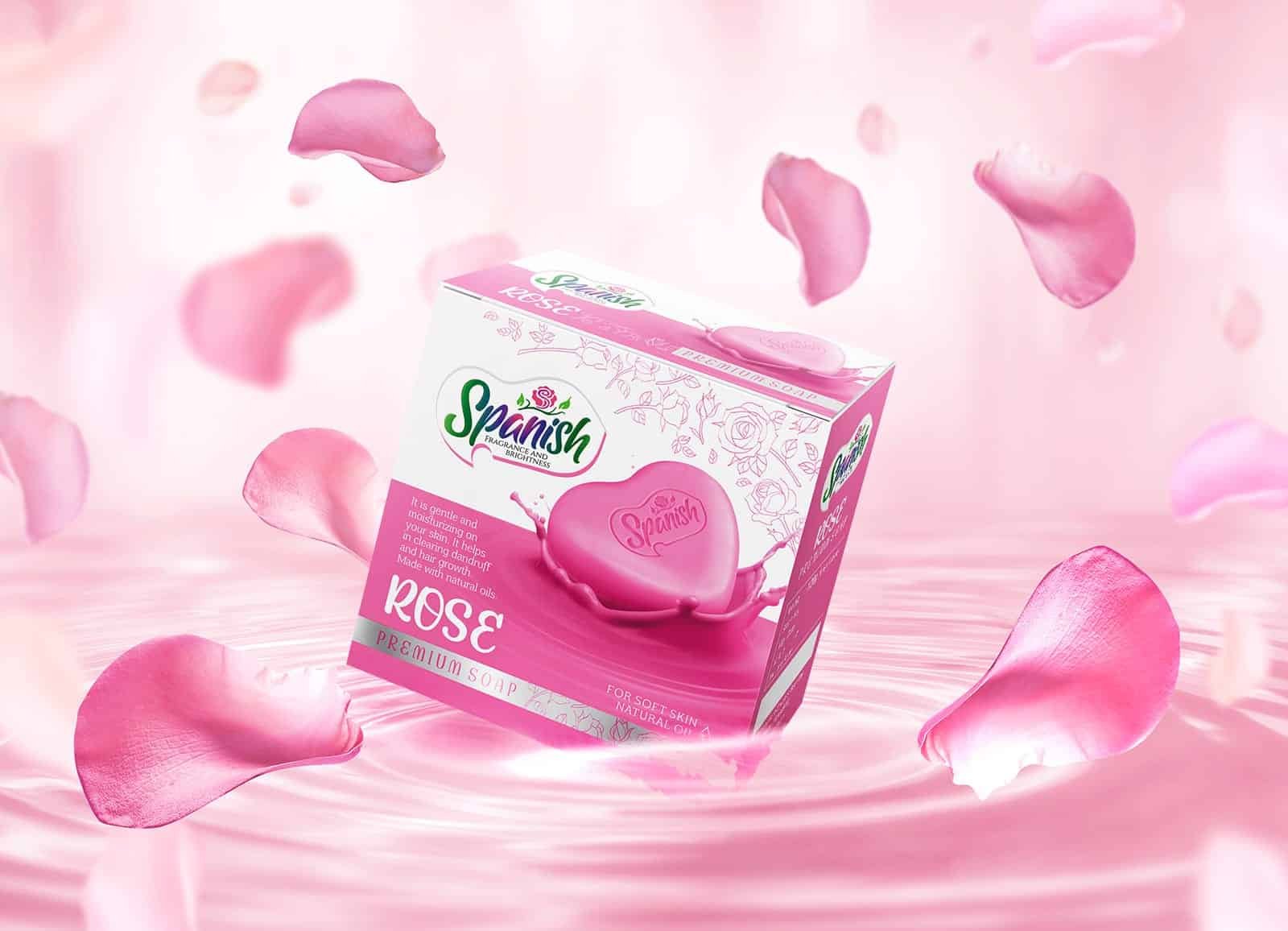
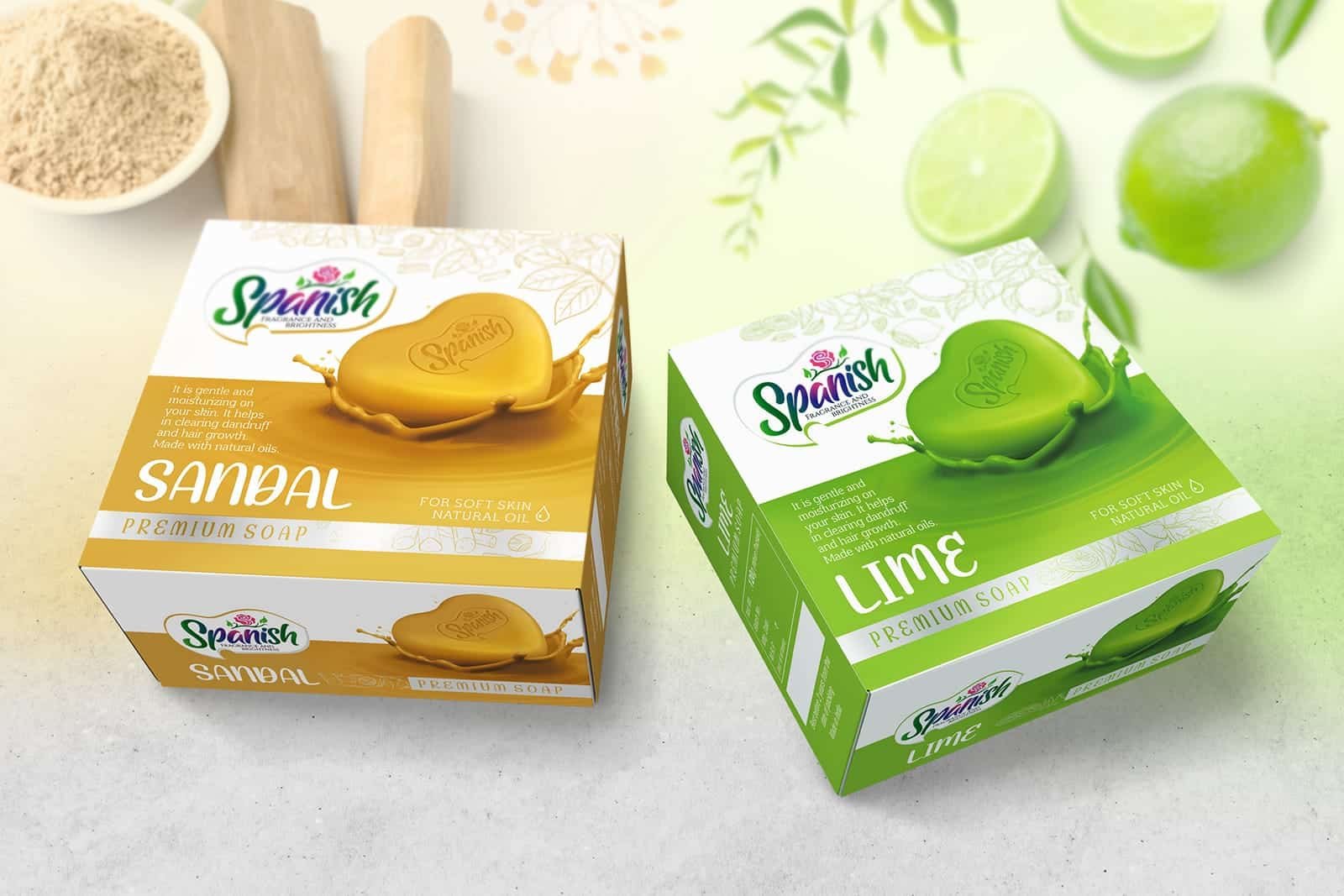
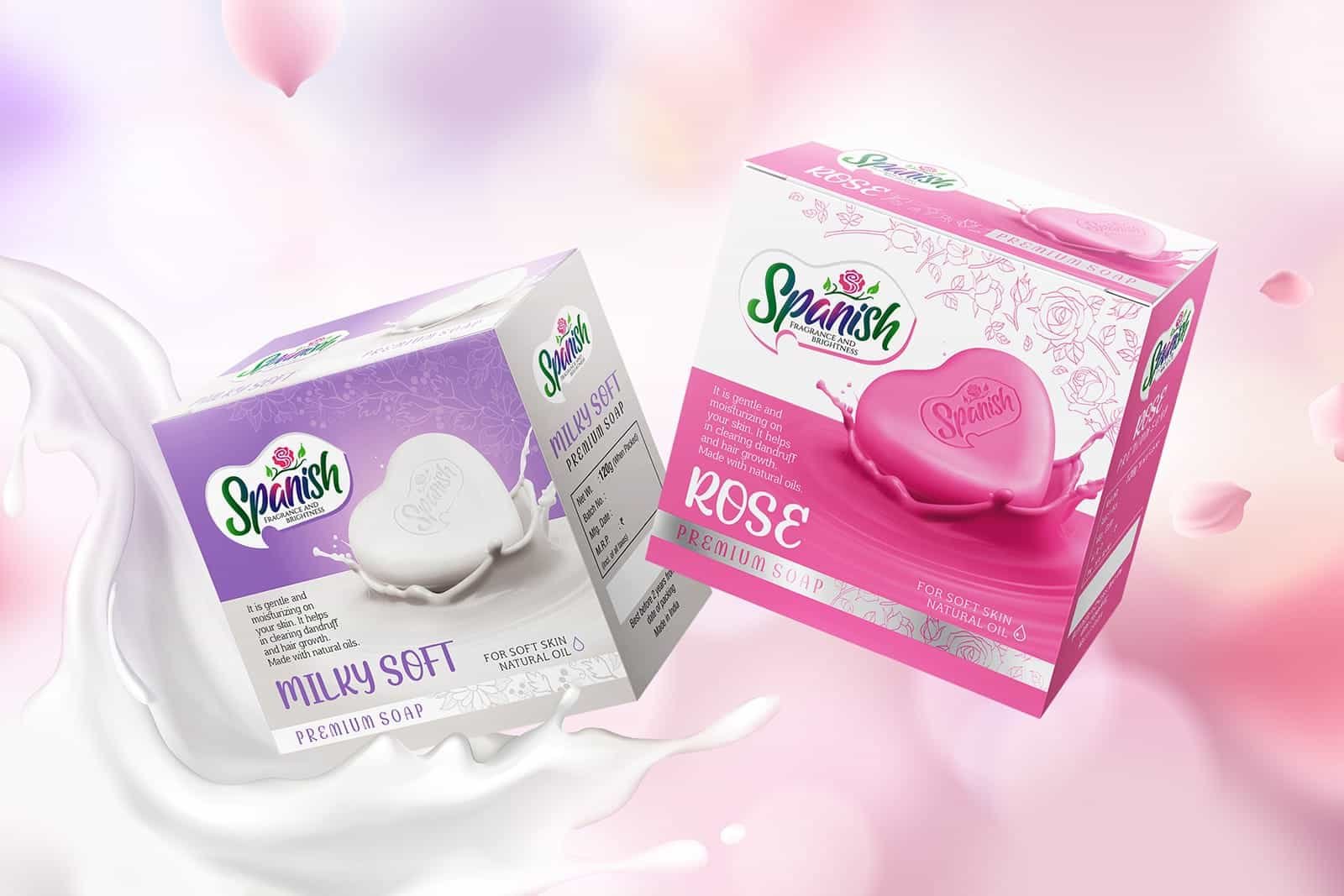
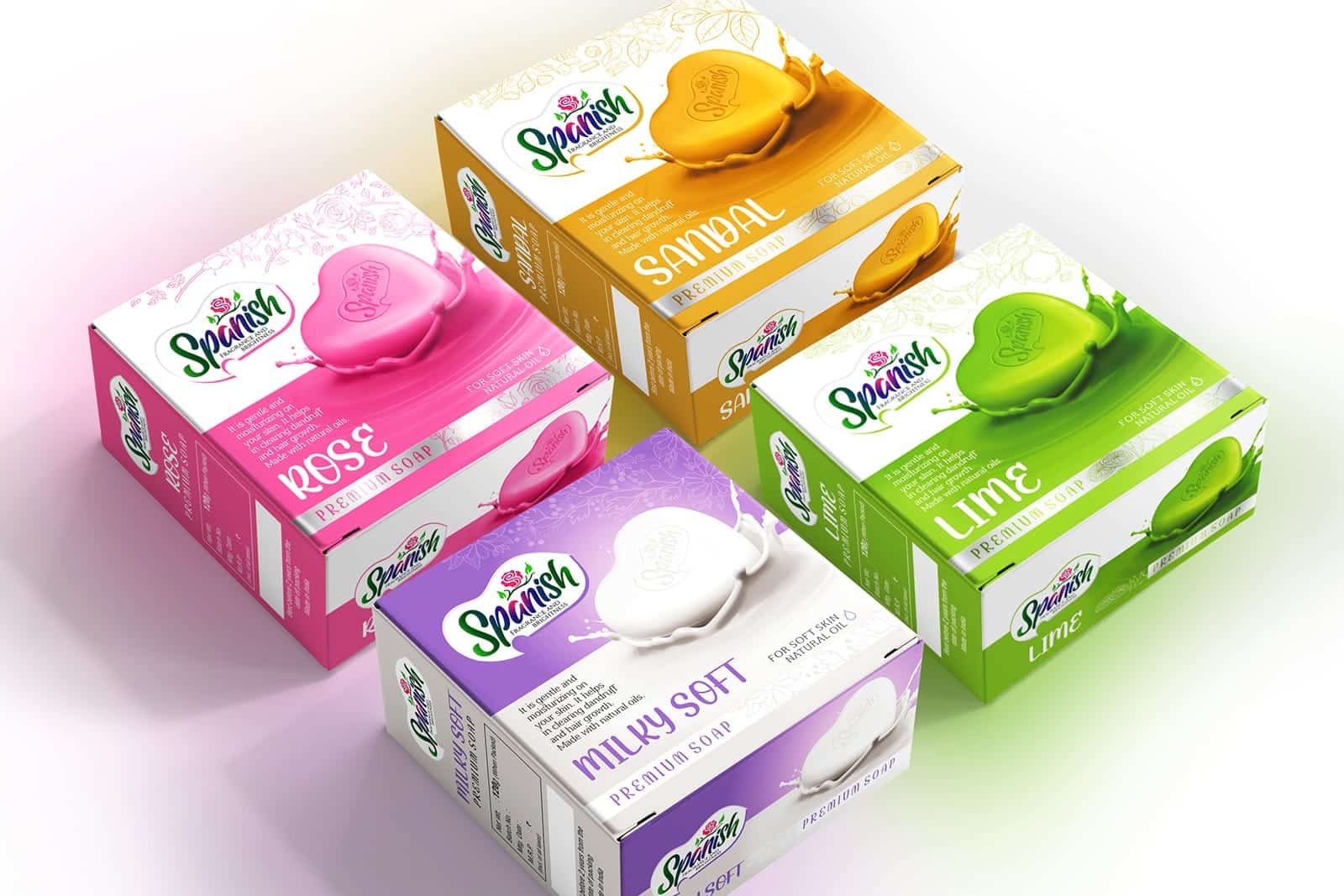
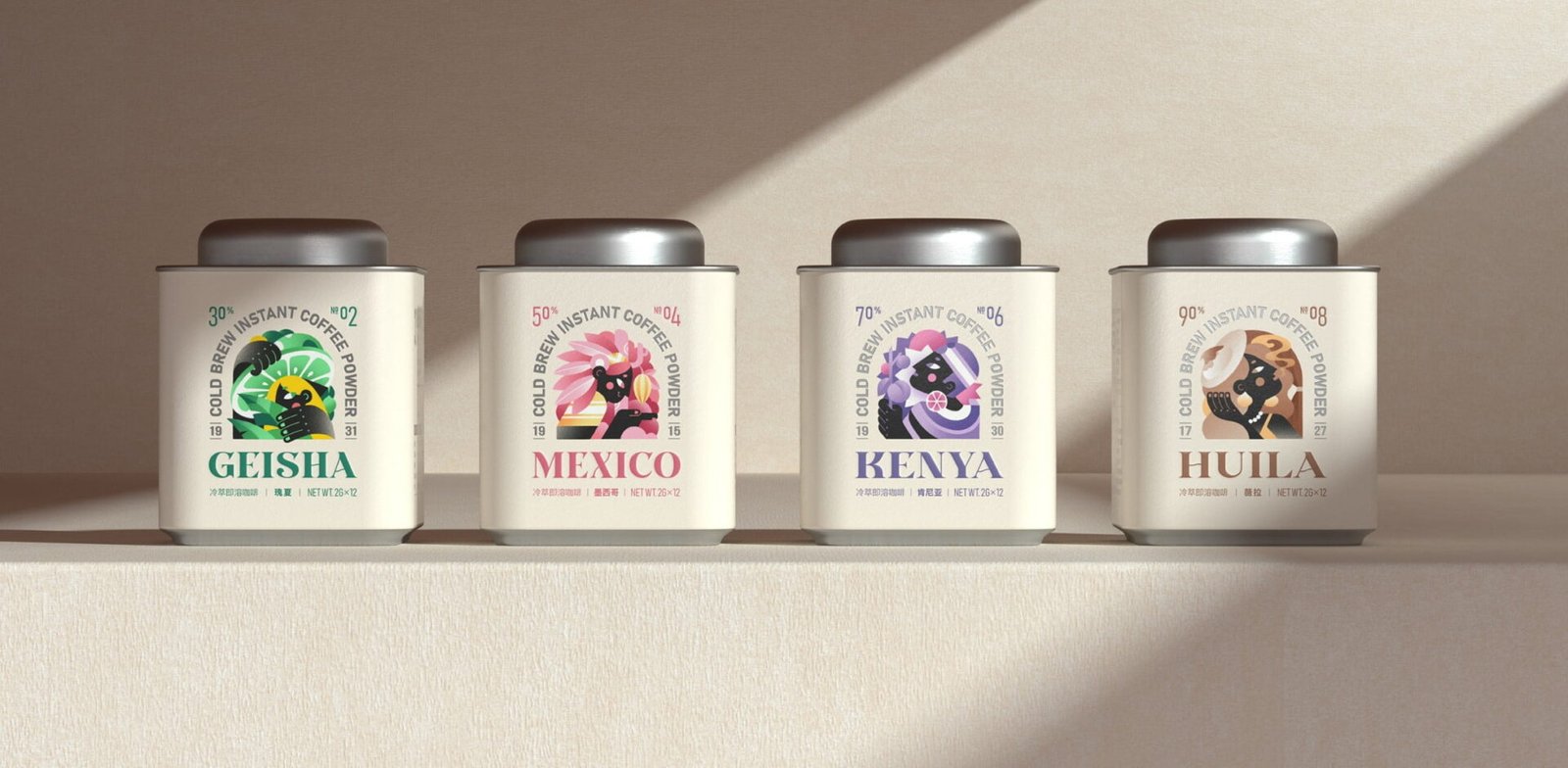
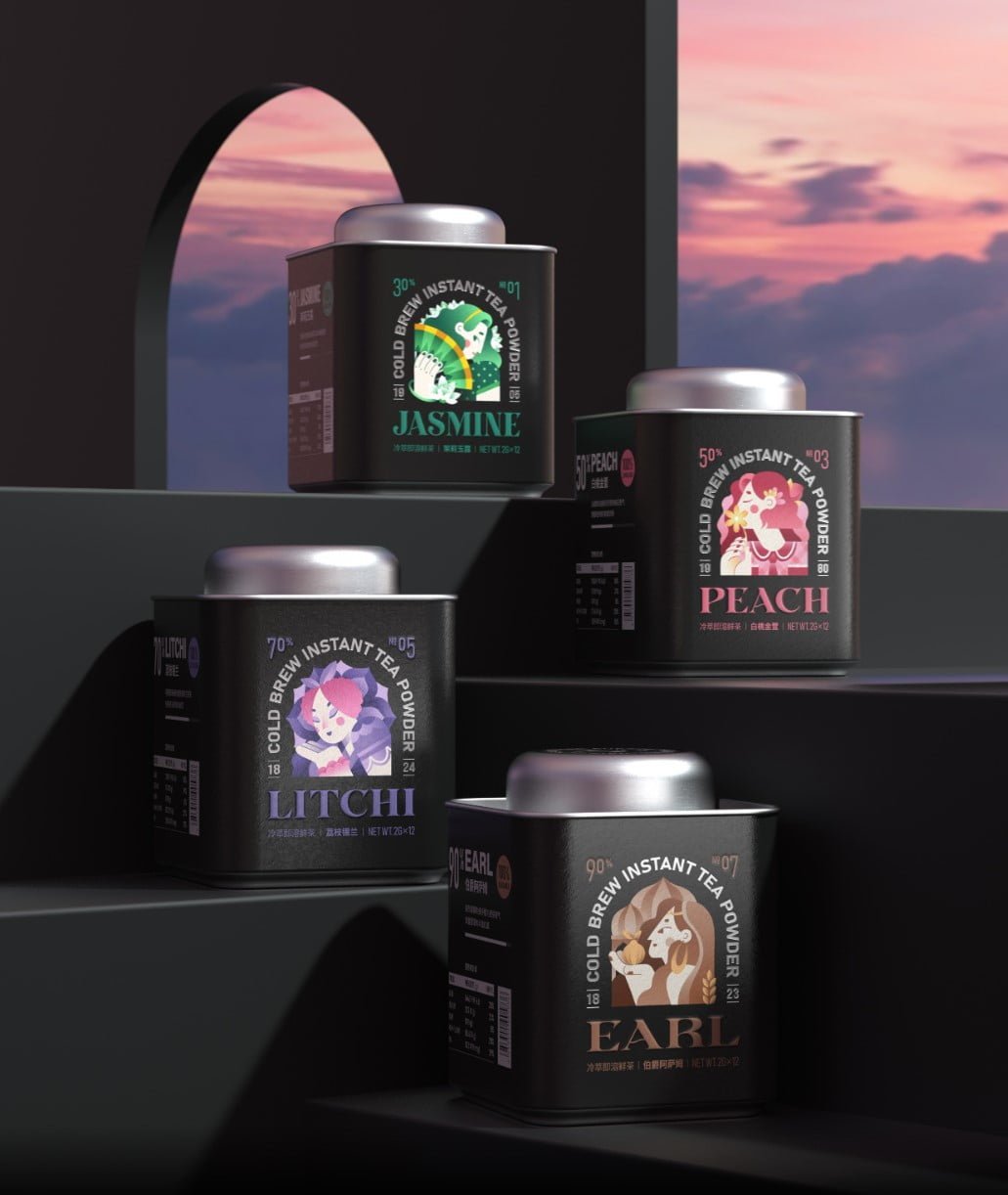
Best Packaging and Branding Design in Ahmedabad : Mona Design

The Best Creative Packaging Design Trends in the 2024

The Best Creative Packaging Design Trends in the 2024

The Best Creative Packaging Design Trends in the 2024

1. Eco-Friendly & Sustainable Materials

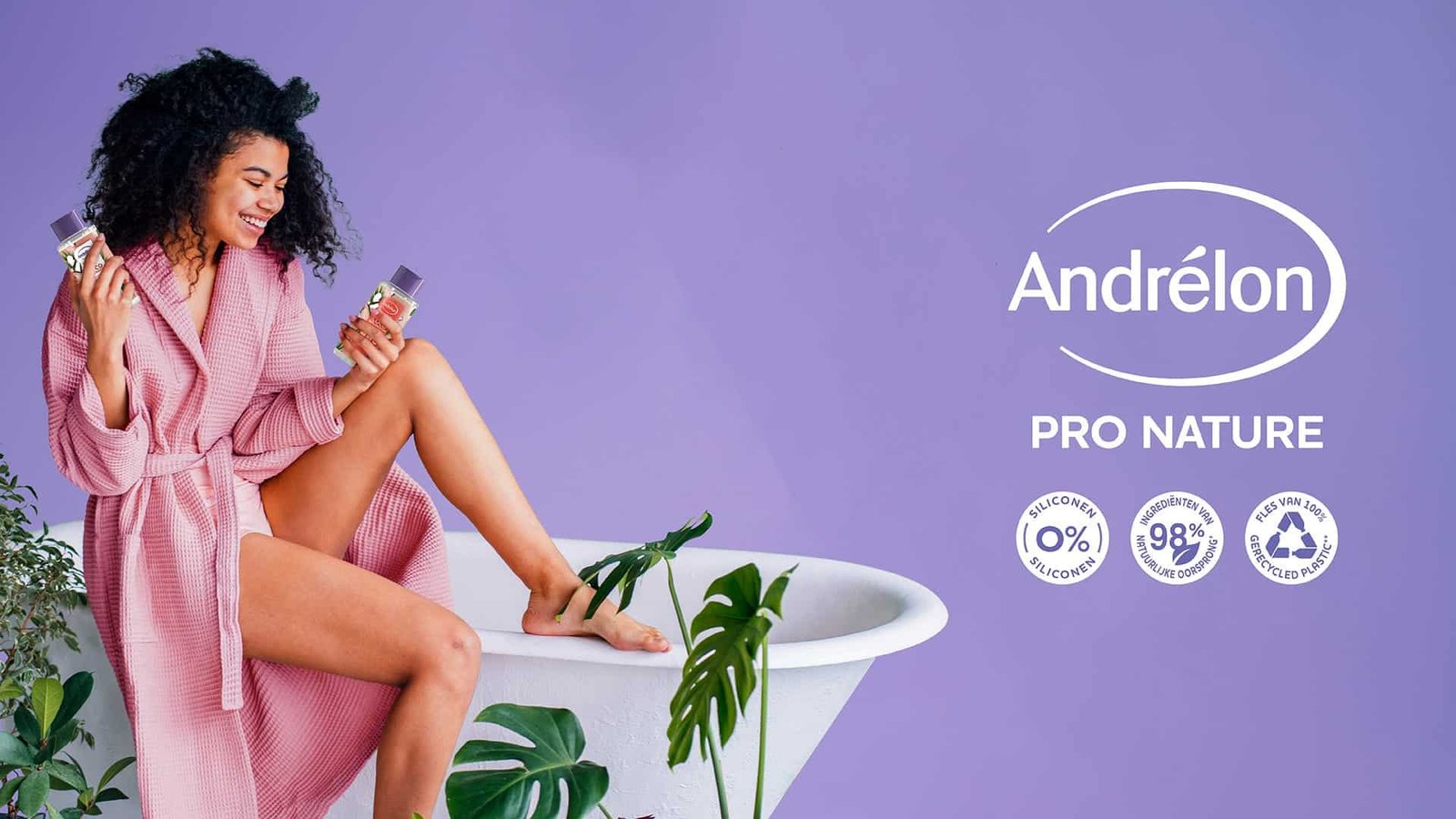
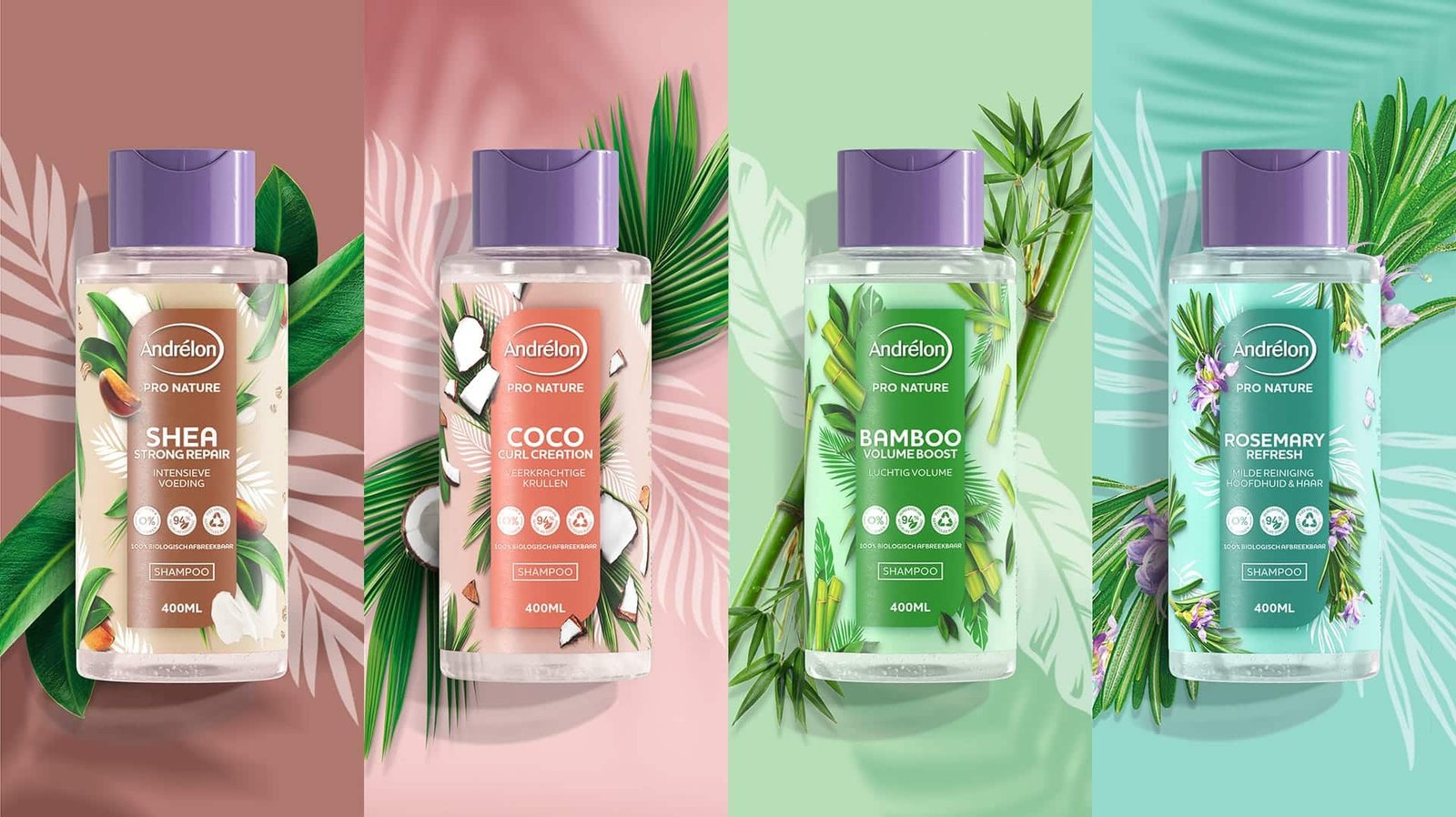
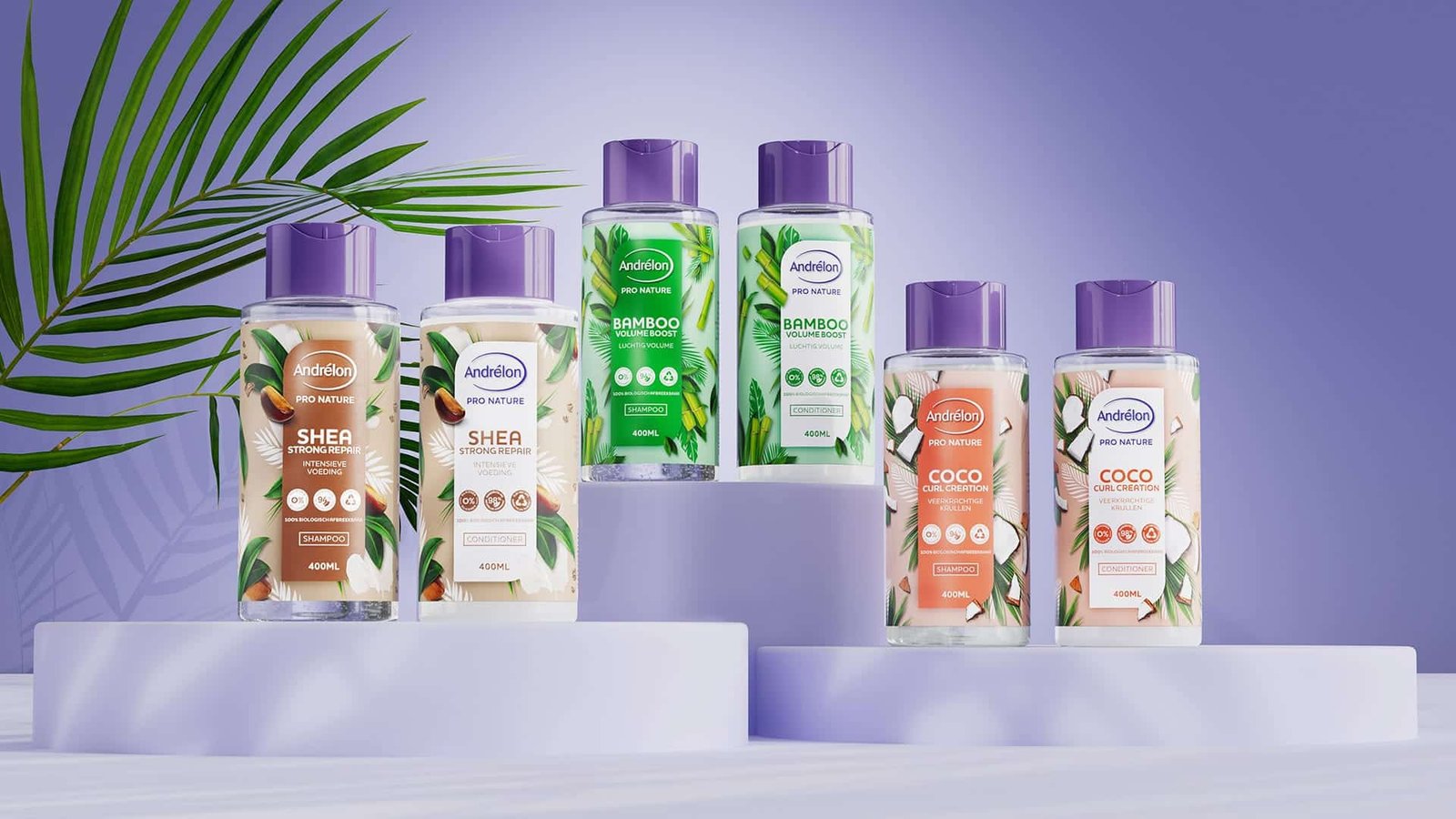
Sustainability continues to be a strong trend as consumers demand eco-conscious products. Brands are embracing materials like recycled cardboard, biodegradable plastics, and compostable materials to reduce environmental impact. Packaging that clearly communicates its sustainability efforts resonates strongly with today’s consumers, creating a positive brand association and encouraging environmentally-friendly choices.

Tip: Opt for minimal, recyclable, or reusable materials, and highlight sustainability on the package itself.

The Best Creative Packaging Design Trends in the 2024

2. Bold Typography

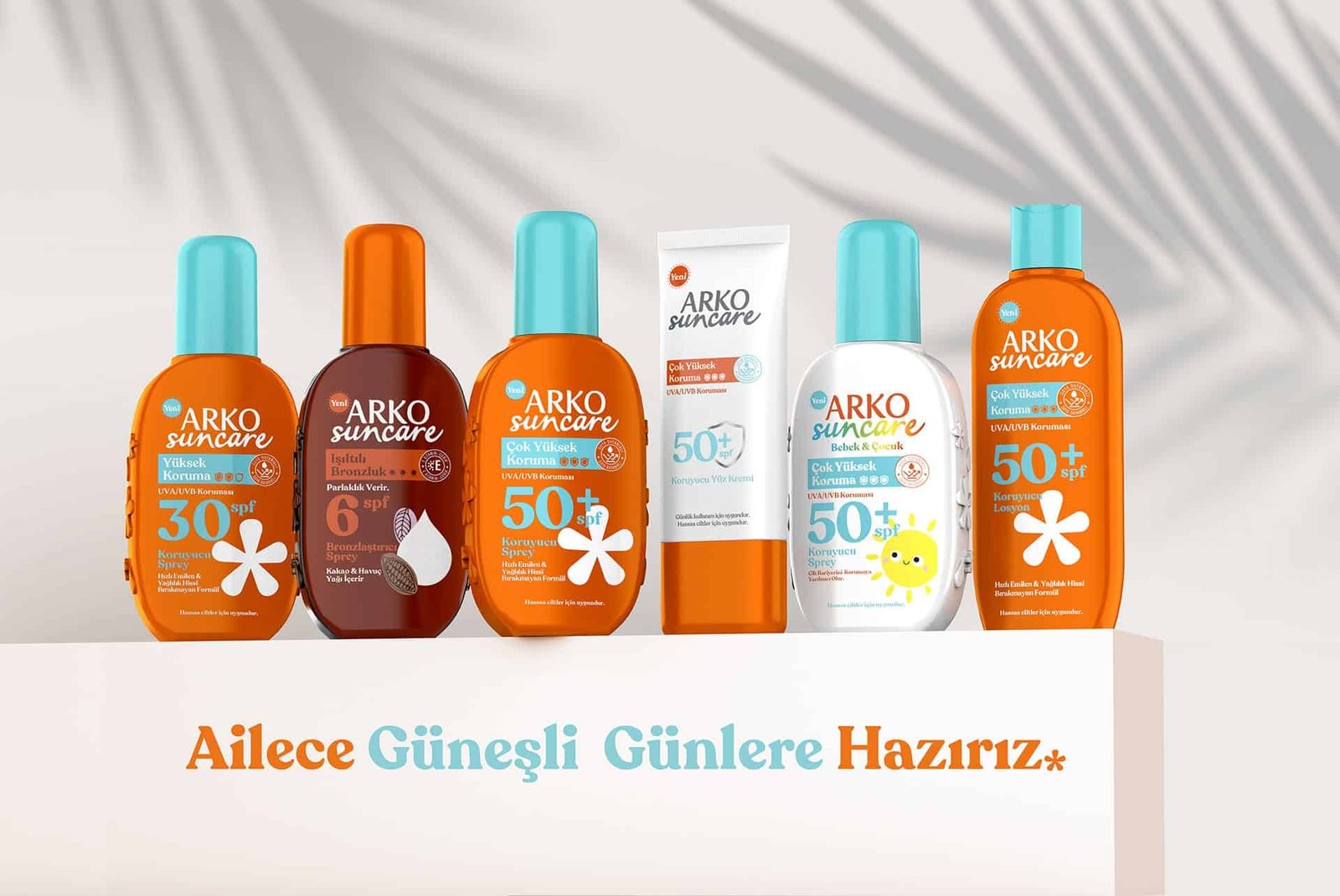
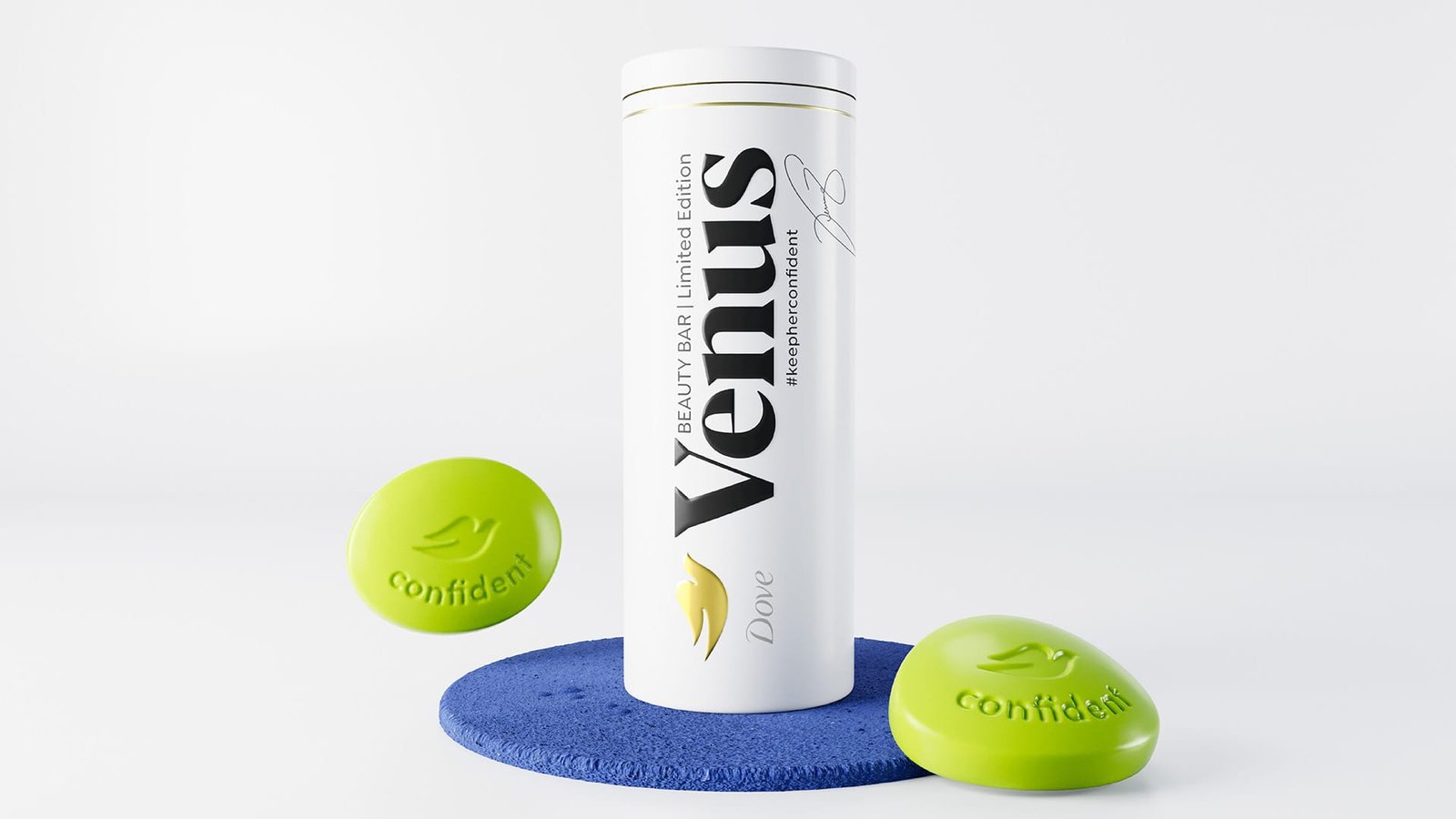
Typography is more than just letters on a package—it’s a statement. Bold, large fonts with unique typography styles are being used to instantly grab attention. Whether it’s a product name in oversized text or an inspiring message, bold typography communicates the brand personality while making the package stand out on the shelf.

Tip: Pair bold fonts with minimal design to keep the focus on your message and ensure readability.

The Best Creative Packaging Design Trends in the 2024

3. Minimalistic Aesthetic with a Twist

Minimalism has long been a trend, but 2024 brings a twist: clean, simple designs are being paired with one unique, eye-catching element. This could be a pop of unexpected color, an unusual shape, or a surprising material. The goal is to keep the design sleek and modern while still making it memorable.

Tip: Experiment with a single standout element, like a bright color accent or embossed logo, to add intrigue to minimal packaging.


4. Retro & Nostalgic Designs

Vintage-inspired designs are making a comeback. Nostalgic packaging taps into emotions and memories, creating a sense of comfort and familiarity. From retro color palettes to old-school illustrations, this trend is perfect for brands that want to evoke a sense of heritage or appeal to customers who love a touch of the past.

Tip: Use retro fonts, classic color schemes, and vintage illustrations to achieve an authentic nostalgic look.

The Best Creative Packaging Design Trends in the 2024

5. Functional Packaging

Functional packaging goes beyond aesthetics by offering added value to the user. For instance, resealable bags, tear-away lids, and packaging that transforms into a reusable container are just some examples of how brands are innovating with functionality. This approach not only adds convenience but also shows customers that the brand cares about their experience.

Tip: Consider adding a practical feature, like a handle or easy-pour spout, to improve usability and differentiate your product.


6. Vibrant and Unexpected Color Palettes

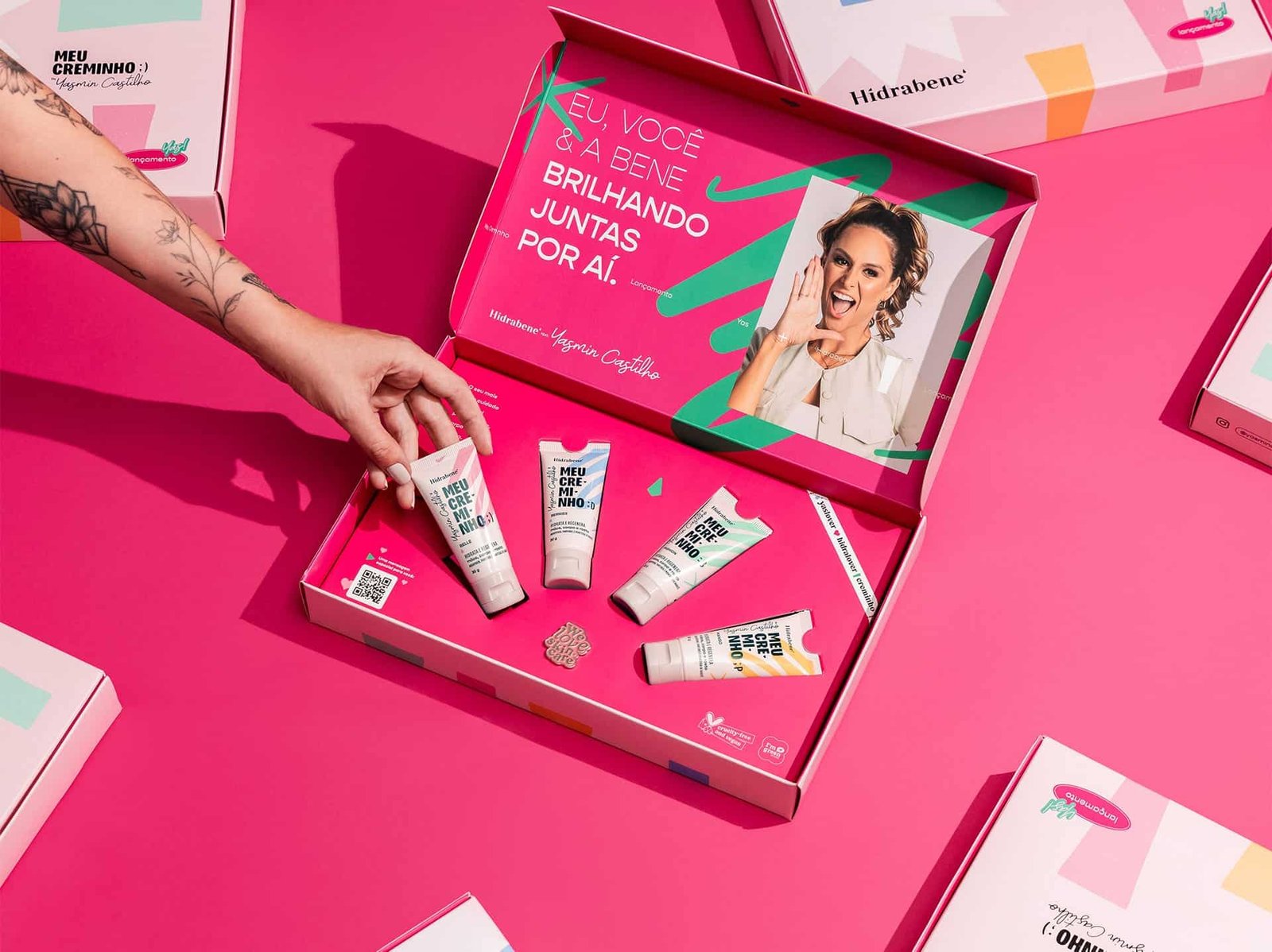
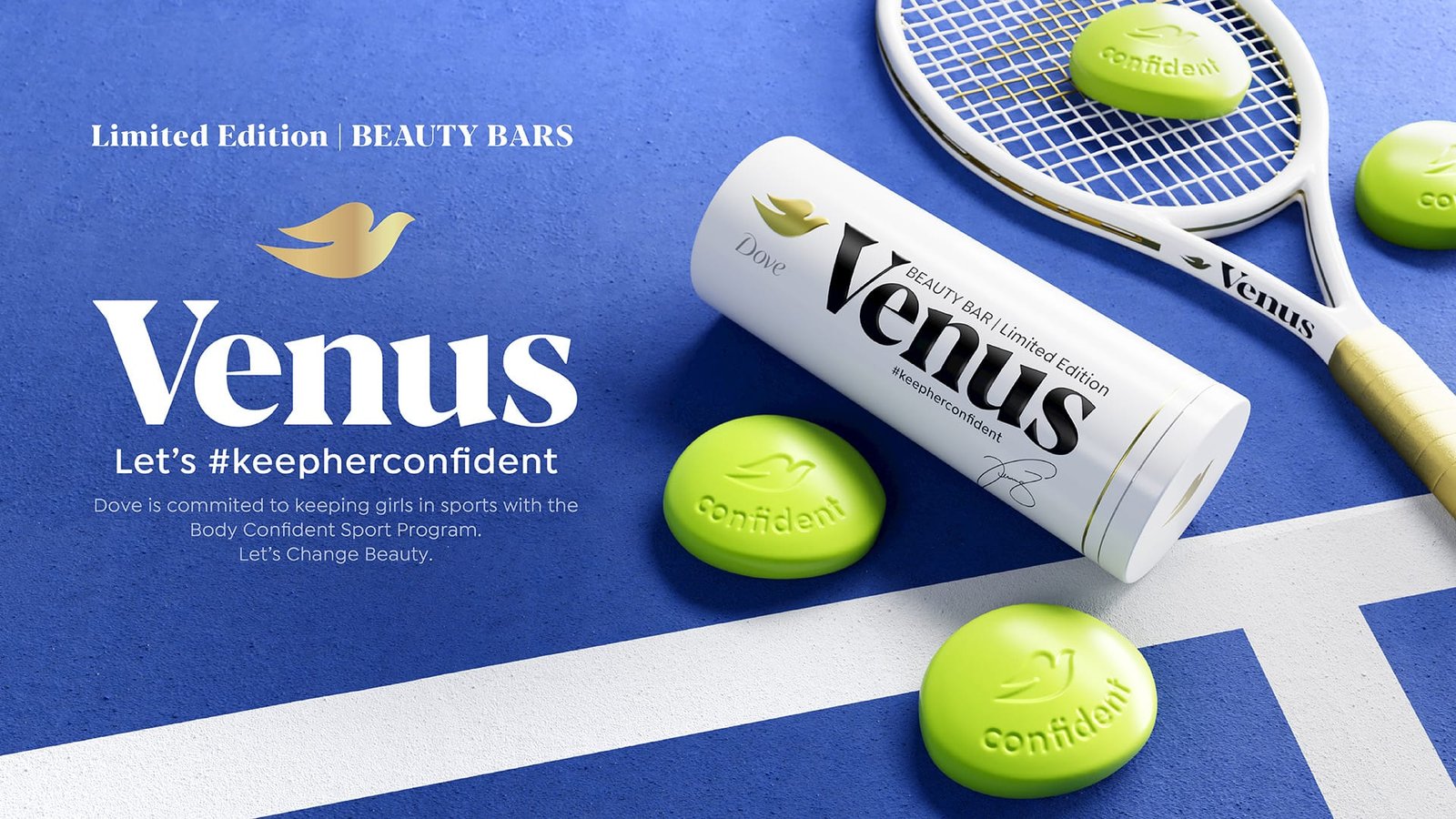
Gone are the days of safe, neutral colors. In 2024, brands are embracing vibrant, unexpected color combinations to make a bold statement. Colors like electric blue, neon green, and deep magenta are being used to create eye-catching packages that pop on the shelves.

Tip: Play with colors that contrast with industry norms for a fresh, bold appearance that attracts attention.

The Best Creative Packaging Design Trends in the 2024

7. Transparency and Honesty in Design

Today’s consumers value transparency—literally. Clear packaging that reveals the product inside is trending, as it builds trust by allowing customers to see what they’re buying. This trend is especially popular in the food and cosmetics industries, where transparency is both figurative and literal.

Tip: Use clear materials or transparent windows on your packaging to showcase the product and boost consumer confidence.


8. Personalization and Customization

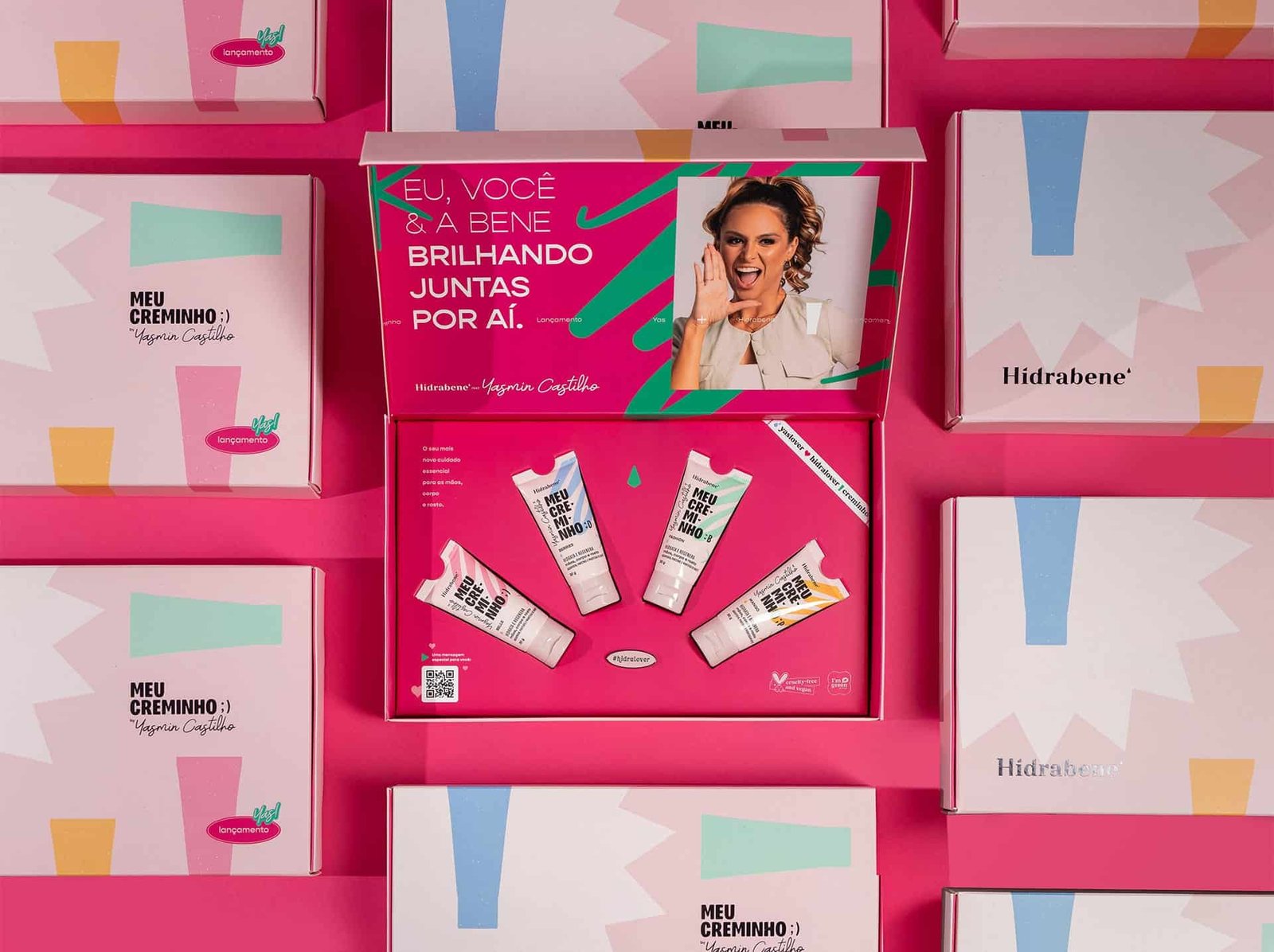
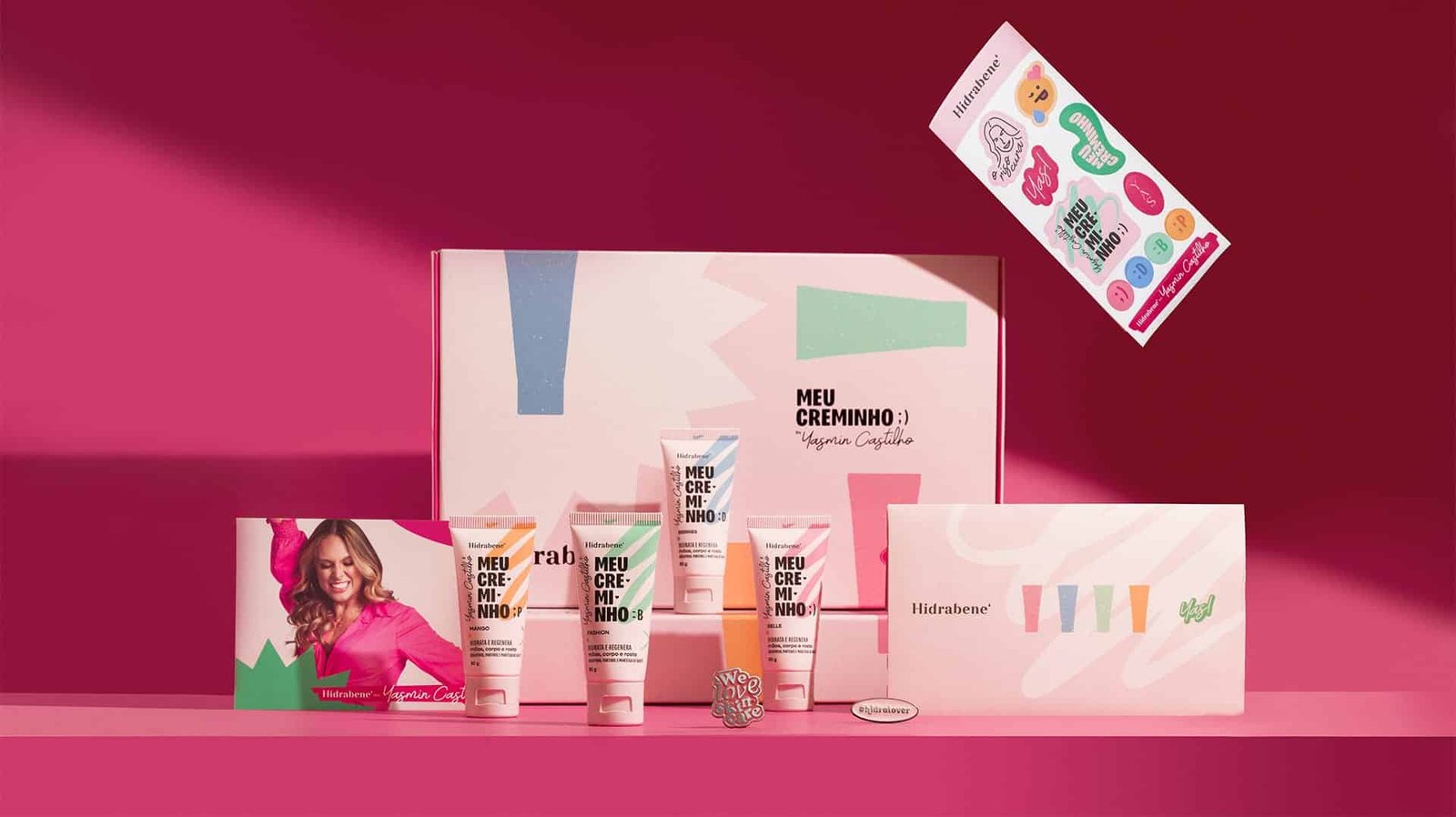
As more brands look to offer unique experiences, personalized packaging is gaining popularity. With digital printing technologies, brands can create limited-edition designs or add personal touches that make customers feel special. This trend works especially well for products that people gift, like cosmetics, food, and beverages.

Tip: Explore limited-run custom designs or offer a few personalization options to create an exclusive feel.


9. Playful Illustrations and Characters

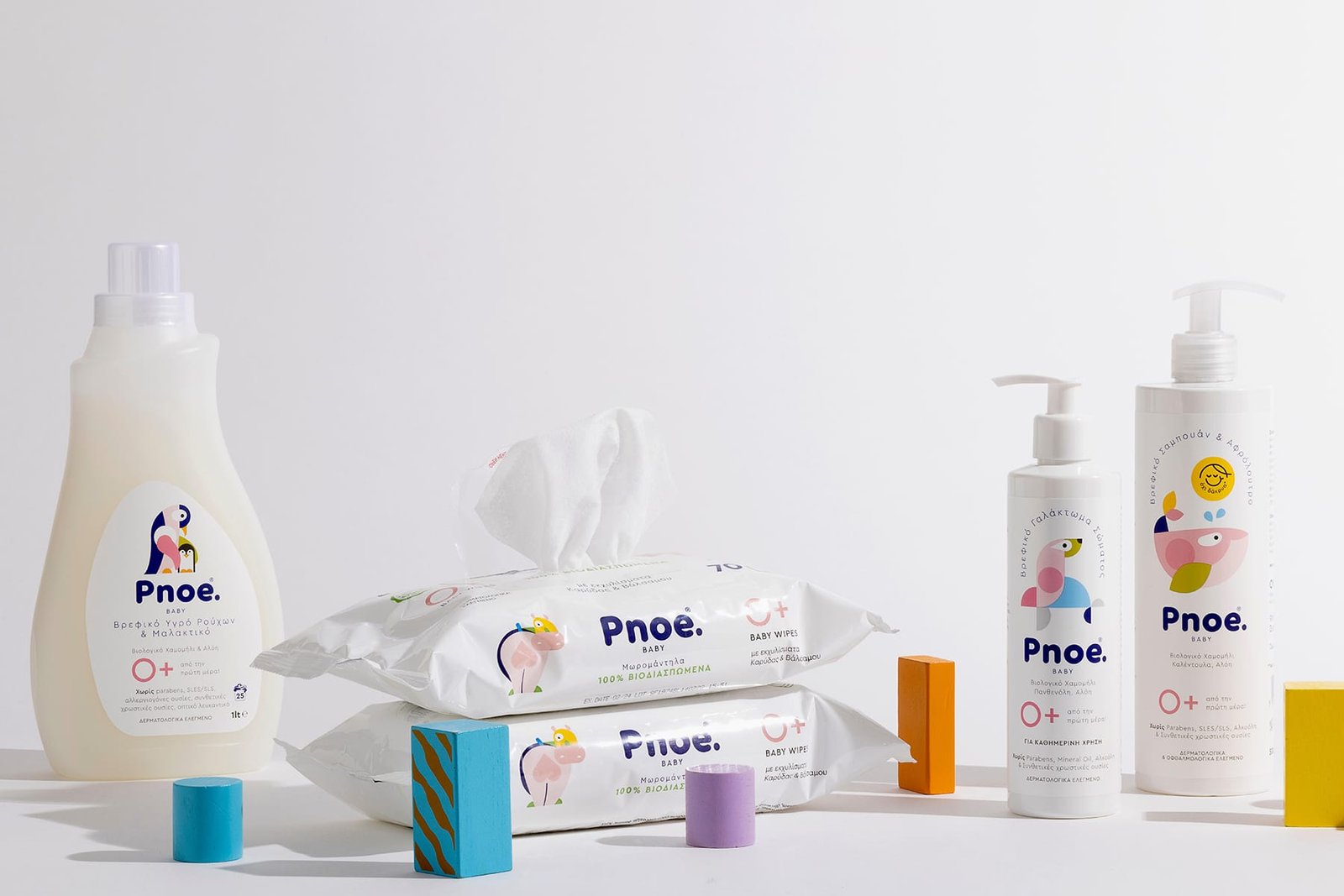
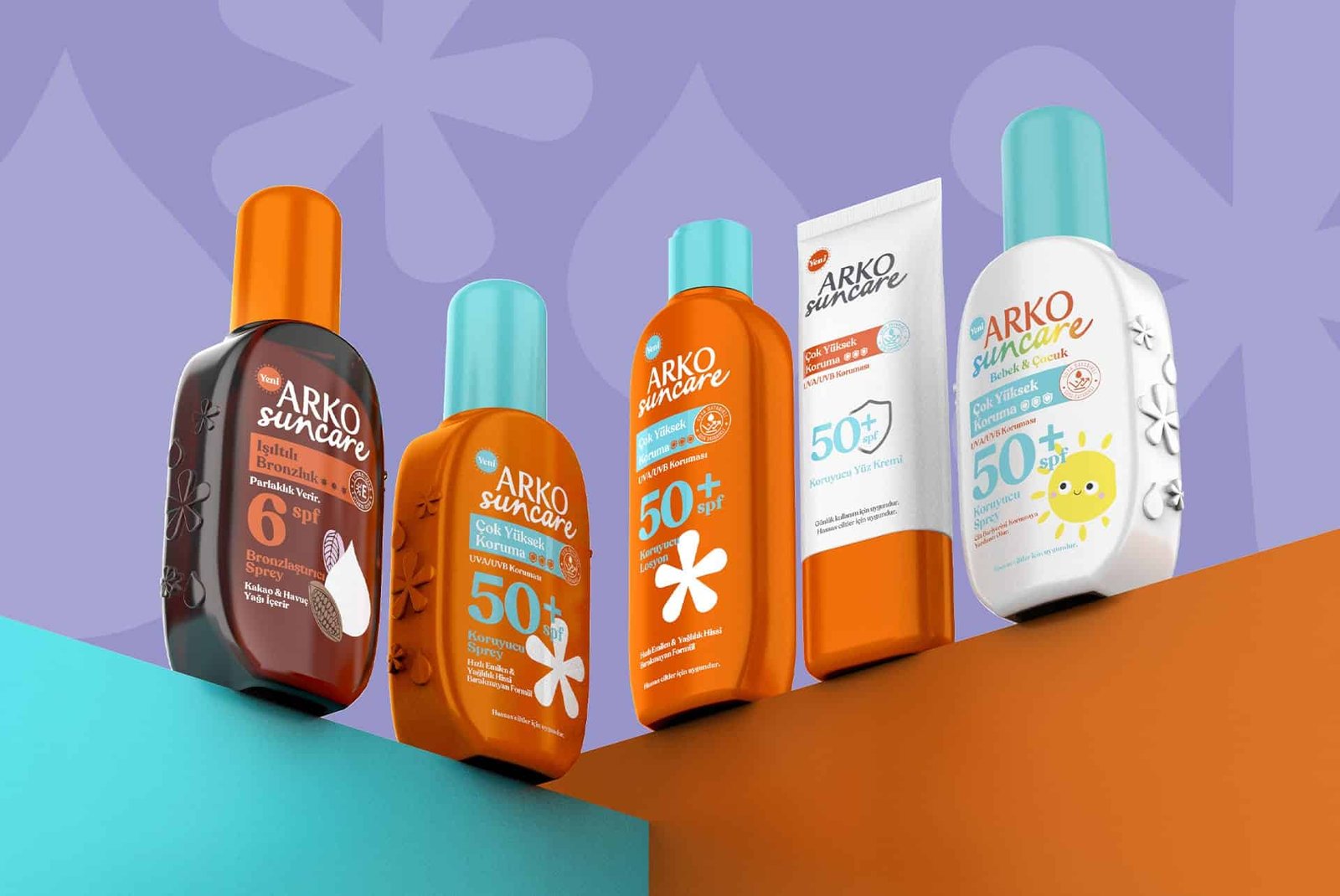
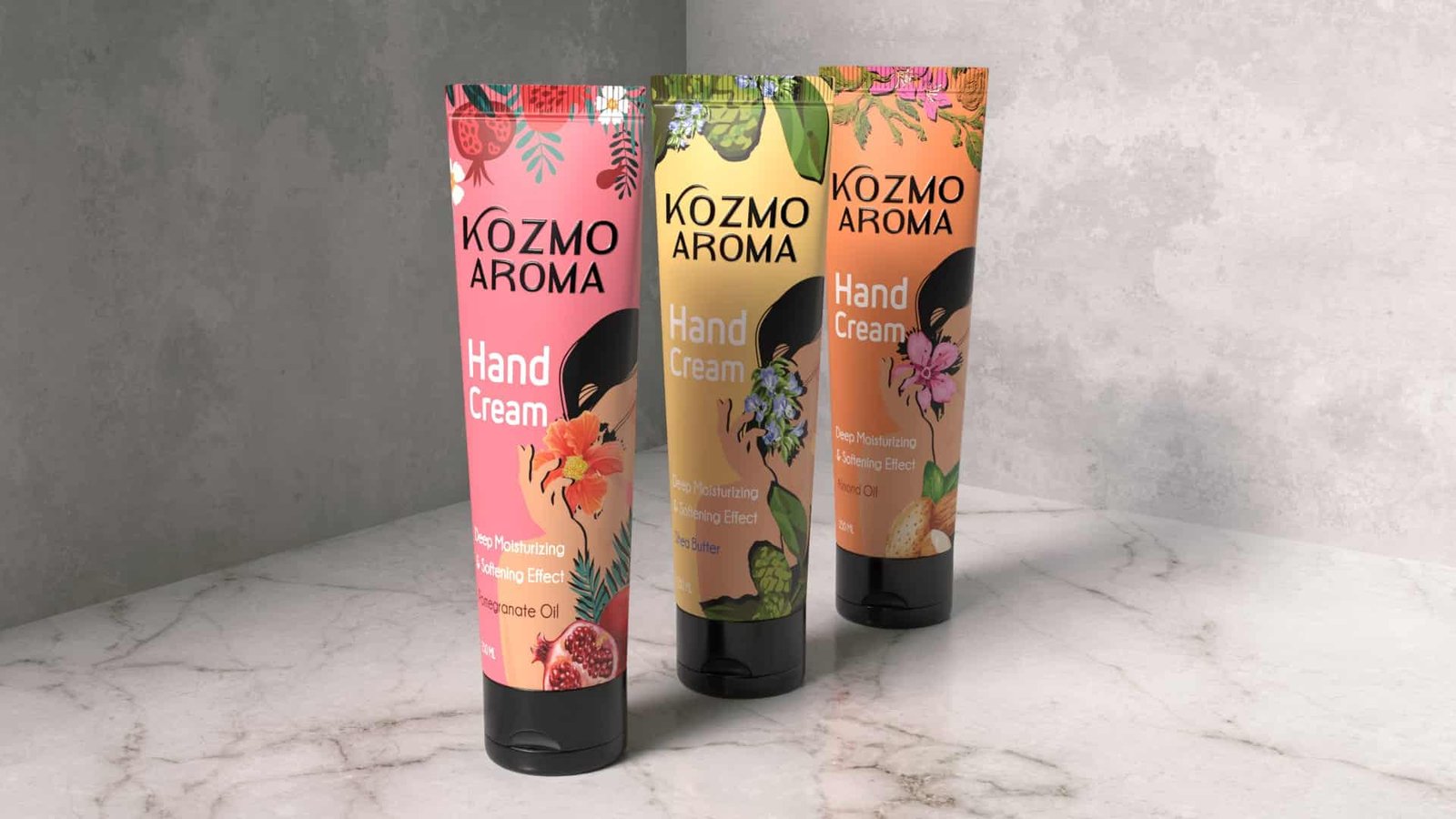
Packaging with playful, whimsical illustrations brings a light-hearted and approachable feel to products. Brands are turning to hand-drawn illustrations and character mascots to add personality and create a memorable experience. This trend appeals to a broad audience and is particularly effective for food, beverage, and children’s products.

Tip: Add illustrations or fun characters to reflect your brand’s personality and connect emotionally with customers.


10. 3D and Tactile Effects

With more competition than ever, brands are using unique textures and 3D elements to create packaging that is not only visually appealing but also touchable. Embossed logos, textured finishes, and metallic accents encourage customers to engage with the product on a physical level, making it more memorable.

Tip: Choose one or two tactile elements, like raised lettering or a smooth matte finish, to add depth and sophistication to your packaging.

The Best Cosmetic and Beauty Brand Packaging Designs of 2024

The Best Cosmetic and Beauty Brand Packaging Designs of 2024

The Art and Science of Cosmetic Packaging Design

In the highly competitive world of cosmetics, packaging is a key differentiator. A product’s effectiveness or quality may attract long-term customers, but it’s the packaging that often lures them in initially. In fact, for many consumers, packaging is an extension of the brand’s identity, a reflection of its core values, and sometimes, a visual promise of the product’s efficacy. In this blog post, we’ll delve into the key elements, trends, and the crucial role of packaging design in the beauty industry.

Why Packaging Matters in the Cosmetics Industry

Packaging serves several crucial purposes for beauty brands:

  • First Impressions Matter: Packaging is the first thing a potential customer notices. A striking, well-designed package can make the difference between a product being picked up or passed over.
  • Brand Identity: From the choice of colors, typography, and materials, packaging reflects the essence of the brand. Is the product eco-friendly, luxurious, or aimed at younger consumers? The packaging tells that story.
  • Functionality and Protection: Apart from aesthetics, packaging must also protect the product from contamination or damage. Whether it’s a glass bottle that exudes luxury or a squeezable tube designed for easy use, functionality plays a major role.
  • Marketing and Differentiation: In the crowded beauty aisle, packaging can help distinguish a product. Unique shapes, textures, or creative designs can grab attention and communicate a product’s uniqueness at a glance.

Key Elements of Effective Cosmetic Packaging Design

  1. Material Selection The material used for packaging not only affects the look and feel of the product but also speaks to the values of the brand. Eco-conscious brands often opt for biodegradable, recyclable, or refillable packaging to appeal to environmentally aware consumers. Meanwhile, luxury brands may use glass, metal, or high-end plastics to convey exclusivity and quality.

  2. Color Psychology Color is a powerful tool in cosmetic packaging design. Bold and bright colors can make a product appear youthful and energetic, while soft pastels or neutrals often convey calm, purity, or luxury. For instance, black and gold are commonly used in premium cosmetic lines to symbolize sophistication and elegance.

  3. Typography and Graphics The style and placement of text, logos, and graphics can make a huge difference. Clean, minimal typography can give a product a modern, chic appeal, while more ornate fonts might be used for products aimed at a luxury or feminine audience. The use of illustrations, patterns, or embossing also adds depth to packaging, giving it an extra layer of allure.

  4. Shapes and Structures The physical shape and structure of packaging can distinguish a brand. Unique or ergonomic designs, such as custom-shaped bottles, dual-use containers, or airless pumps, enhance the user experience and make the product stand out visually.

  5. Sustainability and Innovation The growing demand for sustainability has pushed many beauty brands to innovate in their packaging designs. Brands are now using eco-friendly materials such as paper-based or compostable packaging, refillable options, or minimalistic designs that reduce excess material use. Sustainable packaging is not just an environmental choice—it’s a marketing advantage as customers increasingly seek out products with lower environmental impacts.

Current Trends in Cosmetic Packaging Design

  1. Minimalism Less is more. Brands are leaning towards sleek, minimalistic designs with a focus on clear communication. These designs often use clean lines, simple colors, and limited text, which can make the product feel modern and sophisticated.

  2. Eco-Friendly Packaging As more consumers become aware of environmental issues, brands are adopting sustainable packaging solutions. Biodegradable materials, refillable containers, and recyclable packaging are increasingly in demand.

  3. Interactive and Smart Packaging With the rise of technology, some brands are integrating smart features into their packaging, such as QR codes that lead to tutorials or AR experiences. These interactive elements provide an added level of engagement and help brands connect with tech-savvy consumers.

  4. Bold Colors and Patterns On the opposite end of the minimalism trend, some brands are embracing bright colors, bold patterns, and eye-catching designs that grab attention immediately. This trend is particularly popular among beauty brands targeting younger, trend-conscious demographics.

  5. Transparent Packaging More brands are using transparent or semi-transparent packaging to let the product itself shine. This design choice emphasizes the natural beauty of the product inside, which is especially effective for skincare lines or beauty products with unique colors or textures.

  6. Retro and Vintage-Inspired Designs Nostalgic designs are making a comeback. Brands are using retro typography, colors, and shapes to evoke a sense of nostalgia and vintage appeal. This trend works particularly well with brands looking to tap into the timeless elegance of earlier beauty standards.

The Future of Cosmetic Packaging Design

As consumers’ preferences continue to evolve, packaging design must adapt to keep pace. Personalization is expected to grow, with brands offering customized packaging to enhance the consumer experience. Moreover, sustainability will remain a crucial factor, driving innovation in materials and design.

Technological advancements like 3D printing and AI-driven designs are set to revolutionize how packaging is conceptualized, allowing brands to experiment with previously impossible shapes and functionalities. Additionally, packaging may become even more interactive, providing immersive experiences that connect with customers through digital platforms.

The Best and Creative Brand Design in Ahmedabad

The Best and Creative Brand Design in Ahmedabad

In the bustling city of Ahmedabad, where culture and commerce blend seamlessly, brand design plays a crucial role in defining the identity of businesses. Whether you’re a startup looking to make your mark or an established brand aiming to refresh your image, the right design can set you apart. Ahmedabad has become a hub for innovative and creative brand design, thanks to its blend of traditional values and modern business practices.

Why Ahmedabad for Brand Design?

Ahmedabad’s vibrant design scene is rooted in its history as a center for arts, crafts, and textiles. This creative energy flows into the modern field of branding, where agencies and designers take inspiration from both the old and the new. With a mix of traditional Gujarati aesthetics and modern trends, the city’s designers offer unique perspectives that resonate locally and globally.

The local market in Ahmedabad is diverse, ranging from traditional FMCG products to cutting-edge tech startups. This variety demands a flexible and creative approach to branding. Designers here know how to strike the perfect balance between cultural relevance and modern appeal, ensuring that businesses stay authentic while appealing to contemporary audiences.

Elements of a Creative Brand Design

The best brand design goes beyond just a logo or a tagline; it’s about crafting an experience. Here’s what makes the top design studios in Ahmedabad stand out:

  1. Storytelling: Every brand has a story, and good design tells that story visually. Whether it’s a heritage textile business or a modern food startup, designers in Ahmedabad have mastered the art of storytelling through design.

  2. Cultural Relevance: Ahmedabad is rich in heritage, and the best brand designs here reflect that cultural relevance. Designers often incorporate elements from local traditions, festivals, and art forms to create a design that resonates deeply with the audience.

  3. Modern Aesthetics: While maintaining a cultural touch, creative studios in Ahmedabad don’t shy away from modern trends. Clean, minimalist designs, innovative typography, and fresh color palettes are increasingly seen in brand designs across industries.

  4. Functionality: Creativity isn’t just about looking good—it’s about working well. The best designers ensure that every brand element, from packaging to social media graphics, functions seamlessly in the real world.

  • Holistic Branding ApproachMONA DESIGN specializes in creating comprehensive brand identities that include logos, packaging, and digital assets. Their designs are cohesive and ensure every element of the brand is aligned with the core message.

  • Innovative and Trend-Driven: Known for staying on top of industry trends, MONA DESIGN blends contemporary styles with classic branding principles, making their designs both fresh and timeless.

  • Focus on Storytelling: MONA DESIGN emphasizes storytelling through design, ensuring that each brand they work with has a unique narrative reflected visually in their branding assets.

  • Custom Solutions for FMCG Brands: With a strong portfolio in the FMCG sector, MONA DESIGN understands the specific branding needs of this industry, creating eye-catching packaging and brand elements that stand out on the shelves.

  • Local and Global Appeal: MONA DESIGN has the ability to infuse cultural elements into modern designs, offering both local Ahmedabad businesses and global clients a distinctive and appealing visual identity.

  • Functional Aesthetic: Their designs are not just visually compelling but also functional, ensuring that branding elements work well across various platforms, from print to digital.

The Best Packaging Designer near me

The Best Packaging Designer near me

The Best Packaging Designer Near Me: How to Find the Perfect Fit for Your Brand

In today’s competitive market, packaging design plays a crucial role in capturing customer attention and conveying a brand’s message. The right packaging design not only makes your product stand out on the shelves but also communicates the values and quality of your brand. But with so many designers out there, how do you find the best packaging designer near you? Here’s a guide to help you find the perfect fit for your brand.

1. Understand Your Brand’s Needs

Before you start searching for a packaging designer, it’s important to clearly understand what your brand needs. Are you launching a new product or rebranding an existing one? Do you need eco-friendly packaging, or is luxury more your style? Knowing the answers to these questions will help you narrow down your search to designers who specialize in the type of packaging you need.

2. Look for Local Talent

Finding a packaging designer near you has its advantages. Local designers are more likely to understand the market and consumer preferences in your area. They can also meet with you in person to discuss ideas and collaborate more effectively. Start by searching online for designers in your area, checking out their portfolios, and reading reviews.

3. Check Their Portfolio

A designer’s portfolio is a window into their skills, style, and creativity. Look for a portfolio that showcases a variety of designs across different industries. Pay attention to the details, such as the choice of colors, typography, and materials. If a designer has experience with packaging similar to what you need, that’s a great sign they’ll be a good fit for your project.

4. Ask About Their Process

Every designer has a unique process for developing packaging designs. Some may start with sketches and mood boards, while others may dive straight into digital mockups. Understanding a designer’s process will help you determine if their approach aligns with your vision. It’s also important to ask about timelines and revisions to ensure the designer can meet your deadlines and accommodate any changes you might need.

5. Consider Their Industry Experience

Experience in your specific industry can be a significant advantage. A designer who has worked with FMCG brands, for example, will have insights into what works best for fast-moving consumer goods. They’ll know how to create designs that not only attract attention but also comply with industry regulations and standards.

6. Look for a Collaborative Spirit

The best packaging designs are often the result of a collaborative effort between the designer and the client. Look for a designer who is open to feedback, listens to your ideas, and is willing to work with you to achieve the best results. A designer who understands your vision and adds their creative touch can elevate your packaging to the next level.

7. Evaluate Their Communication Skills

Good communication is key to a successful design project. Your designer should be easy to reach, responsive to your questions, and clear about their progress. Miscommunication can lead to delays and unsatisfactory results, so make sure you choose a designer who is professional and communicative.

8. Compare Pricing and Value

While cost shouldn’t be the only factor in your decision, it’s important to find a designer whose rates fit your budget. Keep in mind that the cheapest option isn’t always the best. Consider the value a designer brings to your project, including their experience, creativity, and ability to deliver on time. A higher upfront investment in quality design can pay off in the long run with increased sales and brand recognition.

9. Check for Flexibility

Your packaging needs may evolve over time, so it’s helpful to work with a designer who can adapt to changing requirements. Whether you need to update an existing design or create new packaging for a product line extension, a flexible designer will be able to meet your ongoing needs.

10. Ask for References

Finally, don’t be afraid to ask for references from past clients. Speaking with others who have worked with the designer can provide valuable insights into their professionalism, reliability, and the quality of their work. Positive references are a good indicator that you’re making the right choice.

The Best and Creative Packaging Design in Ahmedabad

The Best and Creative Packaging Design in Ahmedabad

The Best and Creative Packaging Design in Ahmedabad

Ahmedabad, known for its rich history and vibrant culture, is also a hub for innovation in various industries. Packaging design in Ahmedabad has seen a significant evolution, blending traditional aesthetics with modern design principles. This post explores the current trends, the importance of packaging design, and how it can elevate your brand.

Packaging Design in ahmedabad, packaging Design , pouch design , box design , lable design, best packaging design, packaging in ahmedabad, packaging ahmedabad, best packaging, food brand packaging design, lable design near me, pouch designer near me, box designer near me , graphic designer near me, branding design near me , best brand designer, new packaging designer near me , packaging design company in ahmedabad, graphic design company in ahmedabad, best packaging design company in ahmedabad.

The Importance of Packaging Design

  • First Impressions Matter: Packaging is often the first interaction a consumer has with your product. A well-designed package can capture attention and convey the essence of your brand.

  • Brand Identity: Effective packaging reflects your brand’s identity, values, and message. It’s a crucial element in establishing brand recognition and loyalty.

  • Consumer Experience: Beyond aesthetics, packaging plays a role in the user experience. Functionality, ease of use, and durability are key factors that impact how customers perceive your product.

The Best and Creative Packaging Design in Ahmedabad

Current Trends in Packaging Design in Ahmedabad

  • Sustainable Packaging: With increasing environmental consciousness, many businesses in Ahmedabad are opting for eco-friendly packaging solutions. This trend not only appeals to green consumers but also showcases a brand’s commitment to sustainability.

  • Minimalist Design: Clean, simple designs with a focus on typography and color are becoming popular. Minimalist packaging helps in creating a premium and sophisticated look, which is highly valued in today’s market.

  • Cultural Elements: Incorporating local art, traditional patterns, and cultural motifs into packaging is a trend that resonates well with consumers in Ahmedabad. It adds a touch of authenticity and connects with the local audience on a deeper level.

The Role of MONA DESIGN in Shaping Packaging Trends

At MONA DESIGN, we pride ourselves on staying ahead of the curve in packaging design. Our approach is rooted in understanding the client’s brand, their target audience, and the market trends specific to Ahmedabad.

  • Customized Solutions: We believe in offering tailored packaging solutions that align with the brand’s identity and meet the specific needs of the product.

  • Innovative Design: Our team is constantly exploring new materials, technologies, and design techniques to create packaging that stands out on the shelves.

  • Collaboration with Local Artists: We often collaborate with local artists and craftsmen to infuse cultural elements into our designs, creating packaging that not only looks beautiful but also tells a story.

Packaging design is more than just a wrapper; it’s a critical touchpoint that can significantly impact your brand’s success. In Ahmedabad, where tradition meets innovation, the right packaging design can set your brand apart from the competition. At MONA DESIGN, we’re here to help you craft packaging that not only protects your product but also elevates your brand.

Looking to elevate your brand with innovative packaging design? Contact us at MONA DESIGN to discuss your project. Let’s create something remarkable together.

How To Create Best Logo That Captivates & Converts

How To Create A Best Logo That Captivates & Converts

How To Create A Best Logo That Captivates & Converts

In the competitive world of business, a compelling logo can make all the difference. It’s often the first impression customers have of your brand, and a well-designed logo can captivate attention and drive conversions. But how do you create a logo that not only looks great but also resonates with your audience and encourages them to take action? Here’s a step-by-step guide to help you design a logo that captivates and converts.

How To Create A Best Logo That Captivates & Converts

1. Understand Your Brand Identity

Before diving into the design process, it’s crucial to have a deep understanding of your brand identity. Consider the following questions:

  • What are the core values of your brand?
  • Who is your target audience?
  • What message do you want your logo to convey?

Having clear answers to these questions will provide a solid foundation for your logo design, ensuring it accurately reflects your brand’s essence.

2. Research and Gather Inspiration

Look at what’s happening in your industry and beyond. Analyze competitors’ logos to understand what works and what doesn’t. Look for inspiration in various sources such as design websites, nature, art, and everyday objects. Create a mood board to collect and visualize your ideas and inspirations

How To Create A Best Logo That Captivates & Converts

3. Choose the Right Design Style

Your logo’s design style should align with your brand’s personality. Here are a few styles to consider:

  • Classic: Timeless and traditional, with serif fonts and muted colors.
  • Modern and Minimalist: Clean lines, simple shapes, and lots of white space.
  • Playful and Fun: Bright colors, quirky fonts, and whimsical elements.
  • Handcrafted: Artistic and unique, with custom illustrations or hand-drawn elements.

Selecting a style that resonates with your target audience will make your logo more effective.

4. Pick the Perfect Color Palette

Colors play a vital role in logo design, as they evoke emotions and create associations. Choose colors that reflect your brand’s values and message. Consider the psychology of colors:

  • Red: Passion, excitement, and urgency.
  • Blue: Trust, calm, and professionalism.
  • Green: Growth, health, and tranquility.
  • Yellow: Happiness, optimism, and energy.

A limited color palette ensures your logo remains cohesive and versatile.

5. Select the Right Typography

Typography is another crucial element. Choose fonts that are legible and match your brand’s tone. Serif fonts convey tradition and reliability, sans-serif fonts appear modern and clean, script fonts add a personal touch, and display fonts make bold statements. Ensure the typography complements the other elements of your logo.

6. Embrace Simplicity

Simplicity is key to creating a memorable and versatile logo. Avoid overcrowding your design with too many elements. A simple logo is easier to recognize and remember. Iconic logos like those of Nike, Apple, and McDonald’s are great examples of how simplicity can make a lasting impression.

7. Ensure Versatility

Your logo should look great on various platforms and materials, from business cards and websites to billboards and packaging. Create a scalable vector graphic (SVG) to maintain quality across different mediums. Design variations such as black-and-white versions, simplified icons, and horizontal and vertical layouts to ensure versatility.
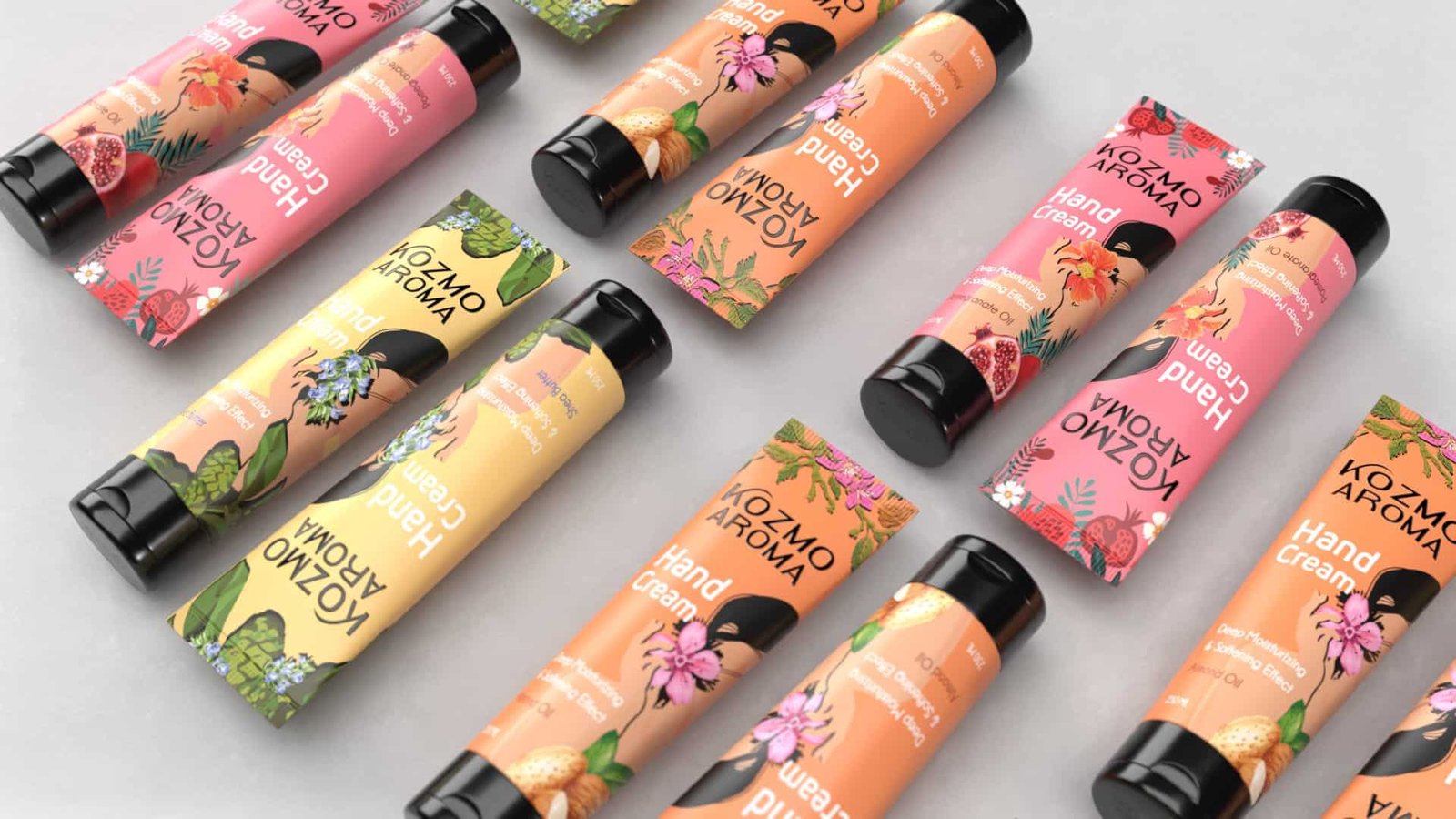
8. Test and Gather Feedback

Before finalizing your logo, gather feedback from various sources. Share it with team members, stakeholders, and even potential customers. Conduct A/B tests to see how different versions perform in real-world scenarios. Use the feedback to refine your design and ensure it resonates with your audience.

9. Create a Brand Guidelines Document

Once your logo is finalized, create a brand guidelines document outlining its correct usage. Include specifications for colors, typography, spacing, and acceptable variations. This document ensures consistency across all your branding materials and helps maintain the integrity of your logo.

Conclusion

Creating a logo that captivates and converts requires a thoughtful and strategic approach. By understanding your brand identity, researching and gathering inspiration, choosing the right design elements, and keeping your logo simple and versatile, you can create a powerful visual symbol that resonates with your audience and drives brand loyalty. Remember, your logo is more than just a pretty picture – it’s the face of your brand and a crucial component of your marketing strategy.

Secrets Power of Minimalist Branding : Less is More

Secrets Power of Minimalist Branding : Less is More

The Power of Minimalist Branding: Less is More

In a world saturated with information and visual stimuli, standing out can be a daunting task for brands. Amidst this chaos, a growing number of businesses are embracing minimalist branding as a powerful strategy to capture attention and convey their message effectively. The philosophy of “less is more” is proving to be not just a design trend, but a potent branding approach that resonates deeply with modern consumers.

What is Minimalist Branding?

Minimalist branding revolves around simplicity and clarity. It focuses on stripping away the unnecessary elements, leaving only the essential components that communicate the brand’s core values and message. This approach often features clean lines, ample white space, and a limited color palette, all aimed at creating a straightforward and easily recognizable brand identity.

Clarity and Focus Minimalist branding helps to distill your brand’s message to its essence, ensuring clarity and focus. By eliminating clutter, you can highlight the key aspects of your brand, making it easier for consumers to understand and remember your message.

Enhanced Recognition Simple and uncluttered designs are more easily recognizable and memorable. Think of iconic minimalist logos like Apple, Nike, and Google. These brands have successfully used minimalism to create a strong visual identity that is instantly recognizable across the globe.

Timeless Appeal Trends come and go, but minimalism has a timeless quality. Its emphasis on simplicity and functionality ensures that your brand remains relevant and appealing, regardless of changing design trends.

Versatility Minimalist designs are highly versatile and can be easily adapted across various mediums and platforms. Whether it’s a business card, a website, or a billboard, a minimalist design maintains its impact and effectiveness.

Cost-Effective Fewer design elements can also mean lower production costs. Minimalist branding often requires less ink, fewer materials, and can be more straightforward to produce, which can be a cost-saving advantage for businesses.

Focus on Quality With minimalist branding, every element has to count. This focus on quality over quantity can lead to more thoughtful and intentional design choices, ultimately enhancing the overall perception of your brand.

How to Implement Minimalist Branding

Define Your Core Message Start by identifying the core message and values you want your brand to convey. What is the essence of your brand? What do you want consumers to remember about you? This clarity will guide your minimalist design choices.

Simplify Your Logominimalist logo should be simple, yet distinctive. Focus on clean lines, basic shapes, and a limited color palette. Avoid overly complex details and aim for a design that is easily recognizable at a glance.

Use a Limited Color Palette Choose a few key colors that reflect your brand’s personality and stick to them. A limited color palette not only strengthens brand recognition but also creates a cohesive and harmonious visual identity.

Embrace White Space Don’t be afraid of white space. It can enhance readability, create a sense of elegance, and direct attention to the most important elements of your design. White space is a critical component of minimalist branding that adds balance and clarity.

Focus on Typography Typography plays a significant role in minimalist branding. Choose clean and legible fonts that align with your brand’s personality. Consistent use of typography can reinforce your brand identity and ensure a polished look.

Consistent Application Consistency is key in minimalist branding. Apply your minimalist design principles consistently across all touchpoints, from your website and social media to packaging and advertising. This uniformity reinforces your brand’s identity and builds trust with your audience.

Here is Top 10 New Packaging Design Hack of 2024

Here is Top 10 New Packaging Design Hack of 2024

The world of packaging design is continually evolving, influenced by advancements in technology, shifts in consumer preferences, and a growing emphasis on sustainability. As we move into 2024, several trends are set to dominate the packaging landscape. Whether you’re a brand looking to refresh your packaging or a designer seeking inspiration, these top 10 packaging design trends for 2024 will keep you ahead of the curve.

Here is Top 10 New Packaging Design Hack of 2024​

1. Sustainable Materials

Sustainability continues to be a major focus in packaging design. In 2024, expect to see a rise in the use of eco-friendly materials such as biodegradable plastics, recycled paper, and plant-based packaging. Brands are prioritizing reducing their environmental footprint and appealing to eco-conscious consumers.
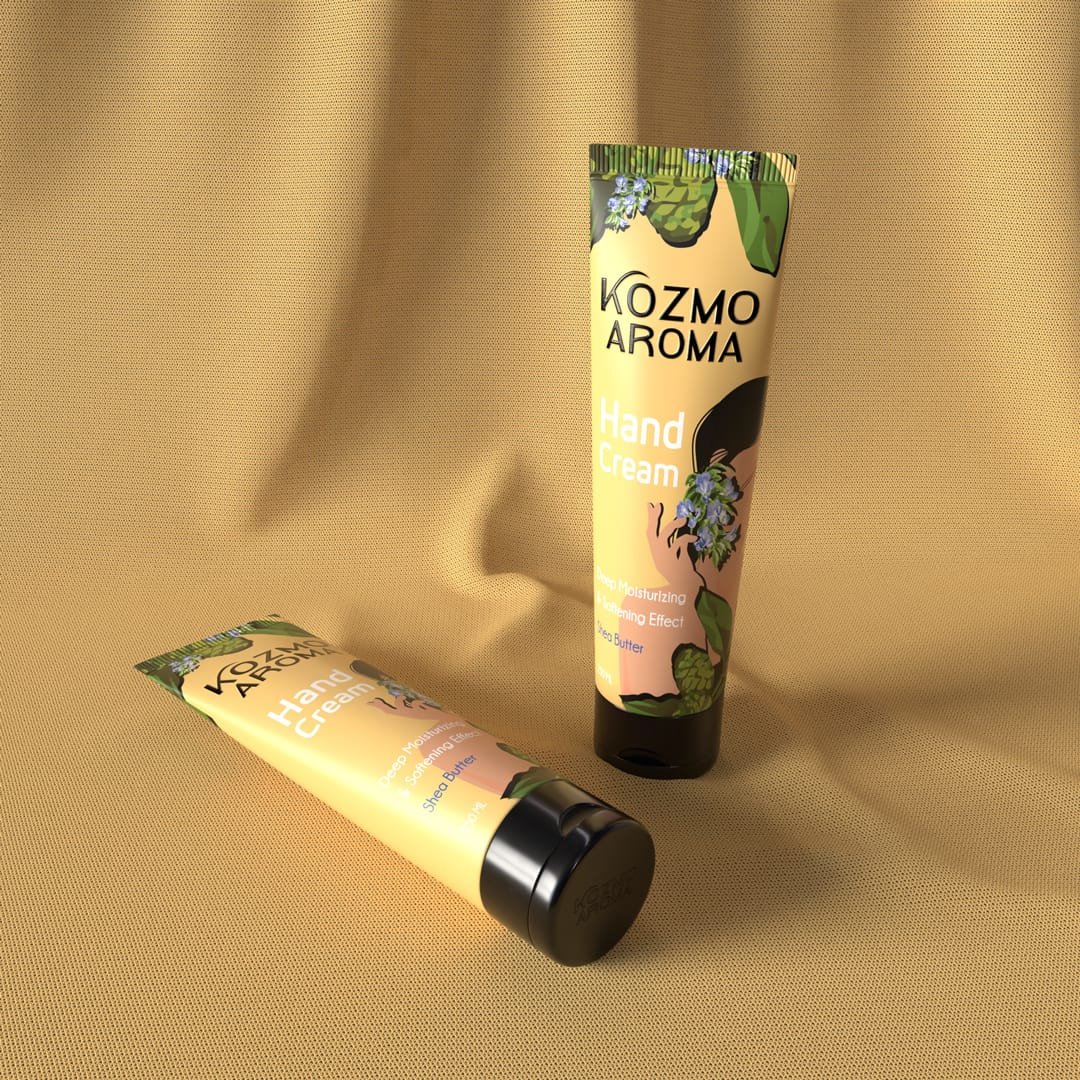
2. Minimalist Aesthetics

Minimalism is making a strong comeback. Clean lines, simple color palettes, and uncluttered designs are in vogue. This trend focuses on essential elements, creating a sophisticated and modern look that allows the product to shine without unnecessary distractions.

3. Interactive Packaging

Interactive packaging enhances the user experience by incorporating elements such as QR codes, augmented reality (AR), and scannable labels. These features provide additional information, engage customers in unique ways, and bridge the gap between physical and digital experiences.

4. Bold Typography

Typography is taking center stage in packaging design. Bold, eye-catching fonts are being used to convey brand messages more effectively and create a strong visual impact. This trend emphasizes readability and the power of words in capturing consumer attention.

Here is Top 10 New Packaging Design Hack of 2024​
Here is Top 10 New Packaging Design Hack of 2024

5. Retro and Vintage Designs

Nostalgia is a powerful tool in design. Retro and vintage-inspired packaging taps into consumers’ memories and emotions, creating a sense of familiarity and comfort. Expect to see throwback color schemes, classic fonts, and vintage graphics making a resurgence.

6. Transparent Packaging

Transparency, both literal and metaphorical, is gaining popularity. Clear packaging that showcases the product inside builds trust with consumers by allowing them to see what they’re buying. Additionally, brands are adopting transparent communication about their sourcing and manufacturing processes.

7. Custom and Personalization

Personalized packaging is a growing trend, driven by advancements in digital printing technology. Custom designs that cater to individual preferences make products feel unique and special. This trend is particularly popular for gifts and limited-edition items.

8. Artistic and Handcrafted Look

Hand-drawn illustrations, watercolor effects, and artistic elements are bringing a handcrafted feel to packaging. This trend adds a personal touch and conveys a sense of authenticity and care in the product’s creation.
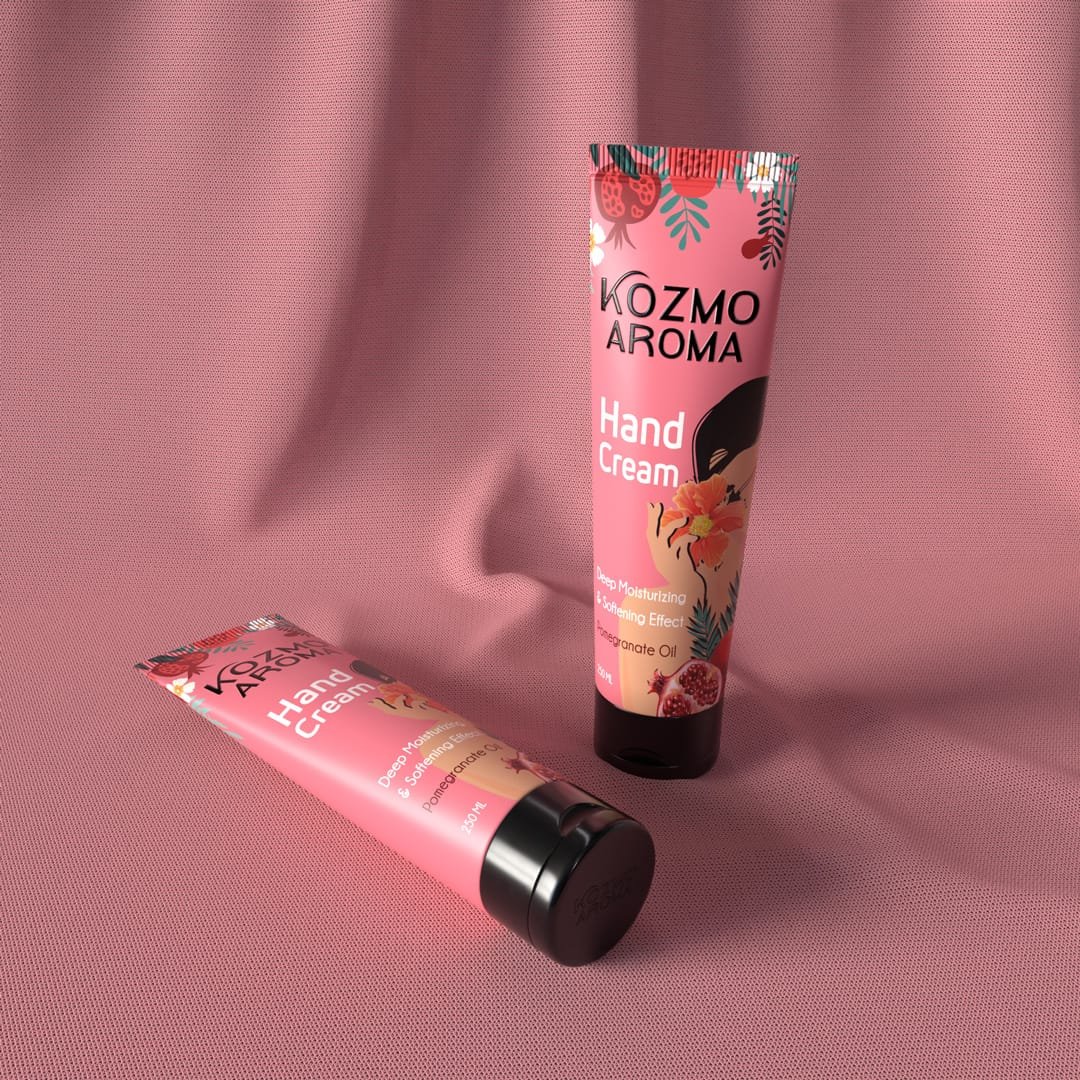
Here is Top 10 New Packaging Design Hack of 2024

9. Smart Packaging

The integration of smart technology into packaging is on the rise. Smart packaging includes features like temperature indicators, freshness sensors, and RFID tags. These innovations enhance product safety, provide real-time information, and improve supply chain management.

10. Storytelling Through Design

Consumers are increasingly interested in the stories behind the products they purchase. Packaging that tells a story, whether about the brand’s heritage, the product’s journey, or the impact on the community, resonates deeply with consumers. Narrative-driven design creates a strong emotional connection and enhances brand loyalty.

Top 10 New Fantastic Website Design Ideas Of 2024

Top 10 New Fantastic Website Design Ideas Of 2024

Top 10 New Fantastic Website Design Ideas Of 2024​

In the dynamic world of Web Design, staying updated with the latest trends is crucial for maintaining a competitive edge. As we step into 2024, several innovative and exciting design ideas are set to transform the digital landscape. This blog post aims to inform and inspire web designers, developers, digital marketers, and business owners by highlighting the top 10 new fantastic website design ideas of 2024 and providing insights on how to incorporate these trends into their own projects.

1. AI-Driven Design

Use of AI Tools for Creating and Optimizing Designs

Artificial Intelligence (AI) is revolutionizing web design by automating routine tasks, providing design suggestions, and optimizing user experiences. AI tools can analyze user behavior, predict trends, and even create personalized design elements.

Examples and Potential Benefits

  • AI-Powered Design Platforms: Tools like Wix ADI and Adobe Sensei use AI to automate design processes, making it easier for designers to create visually appealing and functional websites.
  • Personalization: AI can customize content and design elements based on user preferences and behavior, enhancing user engagement and satisfaction.

2. Dark Mode

Popularity and Advantages of Dark Mode

Dark mode has gained significant popularity for its sleek, modern look and the visual comfort it provides to users. It reduces eye strain in low-light environments and can save battery life on OLED screens.

Tips for Implementing Dark Mode Effectively

  • Consistent Color Schemes: Ensure that text and background colors have sufficient contrast.
  • User Toggle Option: Allow users to switch between light and dark modes based on their preference.
  • Design Adjustments: Make necessary adjustments to images and icons to ensure they are visible and aesthetically pleasing in dark mode.

3. 3D Visuals and Animations

Integration of 3D Elements in Web Design

3D visuals and animations add depth and interactivity to websites, making them more engaging and memorable. These elements can range from subtle animations to fully interactive 3D models.

How 3D Visuals Enhance User Experience

  • Immersive Experiences: 3D elements can create a more immersive and engaging user experience.
  • Attention-Grabbing: Well-designed 3D visuals can capture user attention and encourage longer site visits.

4. Minimalism and White Space

Continued Relevance of Minimalist Design

Minimalism remains a popular design trend due to its focus on simplicity and functionality. It emphasizes essential elements, creating a clean and user-friendly interface.

Importance of White Space for Readability and Aesthetics

  • Improved Readability: White space enhances text readability by reducing clutter.
  • Enhanced Focus: It allows key elements to stand out, improving overall visual hierarchy.

5. Micro-Interactions

Definition and Examples of Micro-Interactions

Micro-interactions are small, subtle animations that occur in response to user actions, such as hovering over a button or scrolling through content.

Their Role in Enhancing User Engagement

  • Feedback and Guidance: Micro-interactions provide immediate feedback to user actions, enhancing the user experience.
  • Delightful Experiences: Well-designed micro-interactions can add a touch of delight, making the interface more enjoyable to use.
Top 10 New Fantastic Website Design Ideas of 2024

6. Voice User Interface (VUI)

Growing Importance of Voice Search and Commands

With the rise of smart speakers and voice assistants, VUI is becoming an essential aspect of web design. It allows users to interact with websites using voice commands.

Design Considerations for VUI Integration

  • Clear and Concise Commands: Design voice interactions to be simple and intuitive.
  • Accessibility: Ensure that voice commands are accessible to users with disabilities.

7. Asymmetrical Layouts

Breaking the Grid with Asymmetrical Designs

Asymmetrical layouts break away from traditional grid-based designs, creating a dynamic and visually interesting composition.

Examples of Effective Asymmetrical Layouts

  • Bold and Unique Designs: Use asymmetry to create standout designs that draw attention.
  • Balance and Harmony: Ensure that the layout, despite its asymmetry, maintains a sense of balance and harmony.

8. Augmented Reality (AR)

Use of AR in Web Design

Augmented Reality (AR) enhances the user experience by overlaying digital information onto the real world. It can be used for interactive product displays, virtual try-ons, and more.

Potential Applications and User Experiences

  • Interactive Shopping: Allow users to visualize products in their environment before making a purchase.
  • Enhanced Storytelling: Use AR to create immersive and interactive storytelling experiences.
Top 10 New Fantastic Website Design Ideas of 2024

9. Sustainability and Eco-Friendly Design

Rise of Sustainable Web Design Practices

Sustainable web design focuses on reducing the environmental impact of websites by optimizing performance and resource usage.

Tips for Creating Eco-Friendly Websites

  • Efficient Coding: Optimize code to reduce energy consumption.
  • Green Hosting: Choose web hosting services that use renewable energy.
  • Minimal Resource Usage: Use lightweight images and reduce unnecessary scripts and plugins.

10. Advanced Typography

Innovative Use of Typography in Web Design

Typography continues to evolve with new techniques and technologies. Variable fonts and custom typefaces offer endless possibilities for creativity.

How to Leverage Variable Fonts and Custom Typefaces

  • Dynamic Text: Use variable fonts to create responsive typography that adapts to different screen sizes and orientations.
  • Brand Identity: Custom typefaces can help establish a unique brand identity and improve readability.

New Ultimate Guide to The Becoming a Successful Graphic Designer

New Ultimate Guide to The Becoming a Successful Graphic Designer

The Ultimate Guide to Becoming a Successful Graphic Designer

Graphic design is a dynamic and rewarding field that blends creativity with technology to communicate ideas through visual content. Whether you’re a seasoned professional or an aspiring designer, understanding the essentials of graphic design can significantly enhance your career. In this guide, we’ll explore the key aspects of graphic design, from skills and tools to career tips and industry trends, ensuring you have a comprehensive understanding of what it takes to succeed in this vibrant industry.

What is Graphic Design?

Graphic design is the art of creating visual content to communicate messages. By applying visual hierarchy and page layout techniques, graphic designers use typography and pictures to meet users’ specific needs and focus on the logic of displaying elements in interactive designs to optimize the user experience.

Essential Skills for Graphic Designers

1. Creativity and Innovation

At the heart of graphic design is creativity. Successful graphic designers constantly push the boundaries of their creativity to produce original and captivating designs. Staying updated with the latest design trends and being open to new ideas can foster innovation.


2. Proficiency in Design Software

Proficiency in design software is crucial for any graphic designer. Some of the most popular tools include:

  • Adobe Photoshop: For photo editing and manipulation.
  • Adobe Illustrator: Ideal for vector graphics and illustrations.
  • Adobe InDesign: Perfect for layout design and print media.
  • Sketch: A favorite among UI/UX designers.


3. Typography

Typography is a critical aspect of graphic design. Understanding font pairing, kerning, and leading can significantly impact the readability and overall aesthetic of your design.

4. Understanding of Color Theory

Color theory is essential in creating visually appealing designs. Knowing how to use colors effectively can evoke emotions and convey messages more powerfully.

5. Communication Skills

Graphic designers must communicate effectively with clients and team members to understand project requirements and deliver the desired results.

Steps to Become a Graphic Designer

1. Get a Relevant Education

While a degree is not always necessary, having a formal education in graphic design can provide a strong foundation. Many universities and colleges offer specialized courses in graphic design, digital media, and related fields.

2. Build a Strong Portfolio

Your portfolio is a showcase of your best work and is often the deciding factor in landing a job or client. Include a variety of projects that demonstrate your versatility and skill.

3. Gain Experience

Internships and freelance projects are excellent ways to gain practical experience. Working on real-world projects helps you build a robust portfolio and develop professional relationships.

4. Stay Updated with Industry Trends

The design industry is constantly evolving. Keeping up with the latest trends, tools, and technologies ensures that your skills remain relevant and competitive.

5. Network with Other Designers

Networking with other designers can provide valuable insights, inspiration, and job opportunities. Join design communities, attend workshops, and participate in online forums.

Career Opportunities for Graphic Designers

Graphic designers have a wide range of career opportunities, including:

  • Web Designer: Focuses on creating visually appealing and user-friendly websites.
  • UI/UX Designer: Specializes in enhancing user experience and interface design.
  • Brand Identity Designer: Creates logos and branding materials.
  • Print Designer: Works on print media such as brochures, posters, and magazines.
  • Freelance Designer: Offers design services on a project-by-project basis.

Industry Trends to Watch

1. Motion Graphics

Motion graphics are becoming increasingly popular, especially in digital marketing and social media. Adding movement to your designs can capture attention and convey information more effectively.

2. Minimalist Design

Minimalism continues to dominate the design landscape. Clean, simple, and clutter-free designs are not only aesthetically pleasing but also improve user experience.

3. Sustainable Design

Sustainable and eco-friendly design practices are gaining traction. Using sustainable materials and considering the environmental impact of your designs is becoming more important.

4. Augmented Reality (AR) and Virtual Reality (VR)

AR and VR are opening new possibilities for graphic designers. These technologies provide immersive experiences and are being used in various fields, from gaming to education