
Best Packaging and Branding Design in Ahmedabad : Mona Design

In today’s competitive market, branding and packaging play a crucial role in shaping consumer decisions. With an overwhelming number of products on store shelves and e-write platforms, a well-designed brand identity and attractive packaging can be the key factors that influence a buyer’s choice. In this blog, we explore how branding and packaging impact consumer buying behavior and why businesses must invest in professional design.
Visual Appeal: Eye-catching packaging grabs attention, making a product stand out on crowded shelves. The use of colors, fonts, and imagery plays a significant role in attracting buyers.
Informational Clarity: Consumers look for clear information about the product, including ingredients, usage instructions, and benefits. Well-structured packaging that communicates these details effectively influences purchase decisions.
Sustainability and Eco-Friendliness: Modern consumers prefer brands that align with sustainability goals. Eco-friendly packaging made from recyclable materials enhances a brand’s reputation and influences environmentally conscious buyers.
Functionality and Convenience: Practical packaging that is easy to use, resealable, or portable improves user experience and encourages repeat purchases.
Cultural and Regional Appeal: Packaging that resonates with local cultural preferences, colors, and designs can significantly boost sales in specific markets.
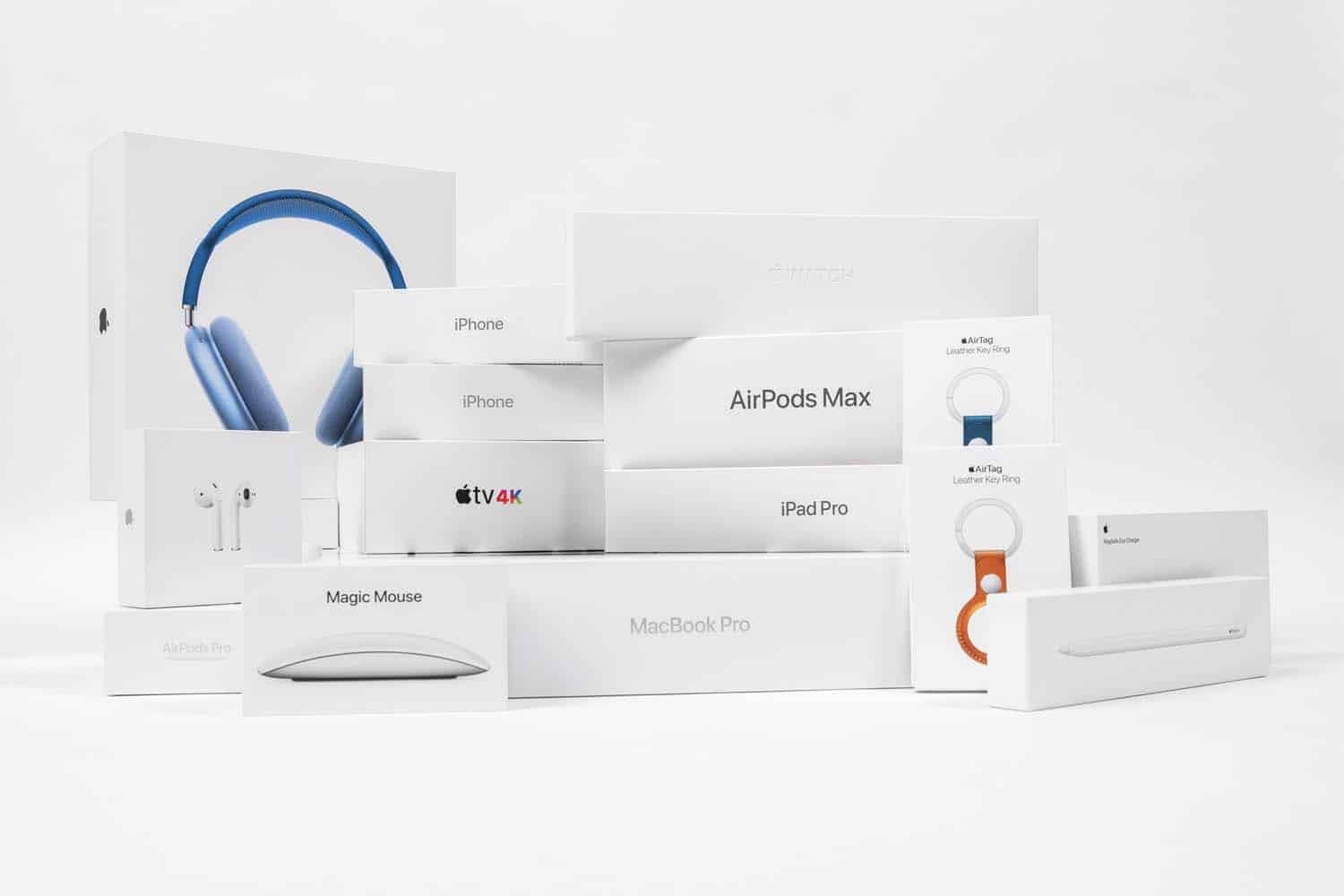
Apple: Apple’s minimalist branding and premium packaging reinforce its brand promise of innovation and quality. The unboxing experience alone creates excitement and enhances brand loyalty.
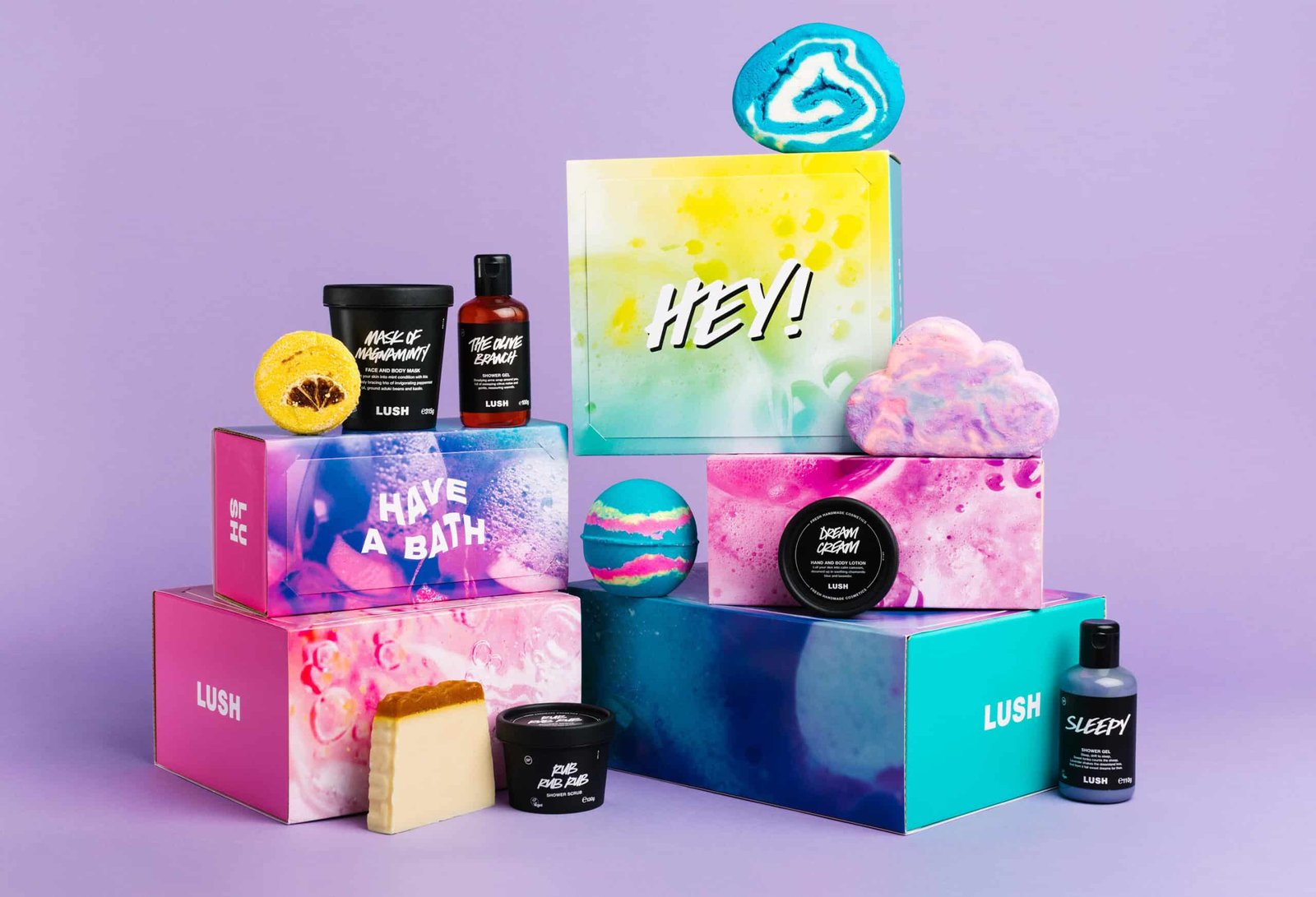
Lush Cosmetics: Known for its eco-friendly, minimal packaging and handmade branding, Lush appeals to conscious consumers who value sustainability.
If you are a brand owner looking to elevate your business, investing in high-quality branding and packaging design is essential. At Mona Design, we specialize in crafting compelling brand identities and visually appealing packaging solutions that resonate with target audiences. Our expertise in FMCG, cosmetics, food, and beverage packaging ensures that your products not only stand out but also drive sales.
Are you looking to revamp your brand’s packaging? Contact Mona Design today and let’s create packaging that sells!

Best Brand Designer, branding design, New brand design, Branding, Brand designer Near, Best branding designer Near Me, Best brand design, Minimal brand Design, Branding, New Brand, Branding Design, Best Brand, Branding Designing, New brand,logo design near me, logo Design, Best logo Design , logo designer , logo Design.
In a world saturated with information and visual stimuli, standing out can be a daunting task for brands. Amidst this chaos, a growing number of businesses are embracing minimalist branding as a powerful strategy to capture attention and convey their message effectively. The philosophy of “less is more” is proving to be not just a design trend, but a potent branding approach that resonates deeply with modern consumers.
Minimalist branding revolves around simplicity and clarity. It focuses on stripping away the unnecessary elements, leaving only the essential components that communicate the brand’s core values and message. This approach often features clean lines, ample white space, and a limited color palette, all aimed at creating a straightforward and easily recognizable brand identity.
Clarity and Focus Minimalist branding helps to distill your brand’s message to its essence, ensuring clarity and focus. By eliminating clutter, you can highlight the key aspects of your brand, making it easier for consumers to understand and remember your message.
Enhanced Recognition Simple and uncluttered designs are more easily recognizable and memorable. Think of iconic minimalist logos like Apple, Nike, and Google. These brands have successfully used minimalism to create a strong visual identity that is instantly recognizable across the globe.
Timeless Appeal Trends come and go, but minimalism has a timeless quality. Its emphasis on simplicity and functionality ensures that your brand remains relevant and appealing, regardless of changing design trends.
Versatility Minimalist designs are highly versatile and can be easily adapted across various mediums and platforms. Whether it’s a business card, a website, or a billboard, a minimalist design maintains its impact and effectiveness.
Cost-Effective Fewer design elements can also mean lower production costs. Minimalist branding often requires less ink, fewer materials, and can be more straightforward to produce, which can be a cost-saving advantage for businesses.
Focus on Quality With minimalist branding, every element has to count. This focus on quality over quantity can lead to more thoughtful and intentional design choices, ultimately enhancing the overall perception of your brand.
Define Your Core Message Start by identifying the core message and values you want your brand to convey. What is the essence of your brand? What do you want consumers to remember about you? This clarity will guide your minimalist design choices.
Simplify Your Logo A minimalist logo should be simple, yet distinctive. Focus on clean lines, basic shapes, and a limited color palette. Avoid overly complex details and aim for a design that is easily recognizable at a glance.
Use a Limited Color Palette Choose a few key colors that reflect your brand’s personality and stick to them. A limited color palette not only strengthens brand recognition but also creates a cohesive and harmonious visual identity.
Embrace White Space Don’t be afraid of white space. It can enhance readability, create a sense of elegance, and direct attention to the most important elements of your design. White space is a critical component of minimalist branding that adds balance and clarity.
Focus on Typography Typography plays a significant role in minimalist branding. Choose clean and legible fonts that align with your brand’s personality. Consistent use of typography can reinforce your brand identity and ensure a polished look.
Consistent Application Consistency is key in minimalist branding. Apply your minimalist design principles consistently across all touchpoints, from your website and social media to packaging and advertising. This uniformity reinforces your brand’s identity and builds trust with your audience.